
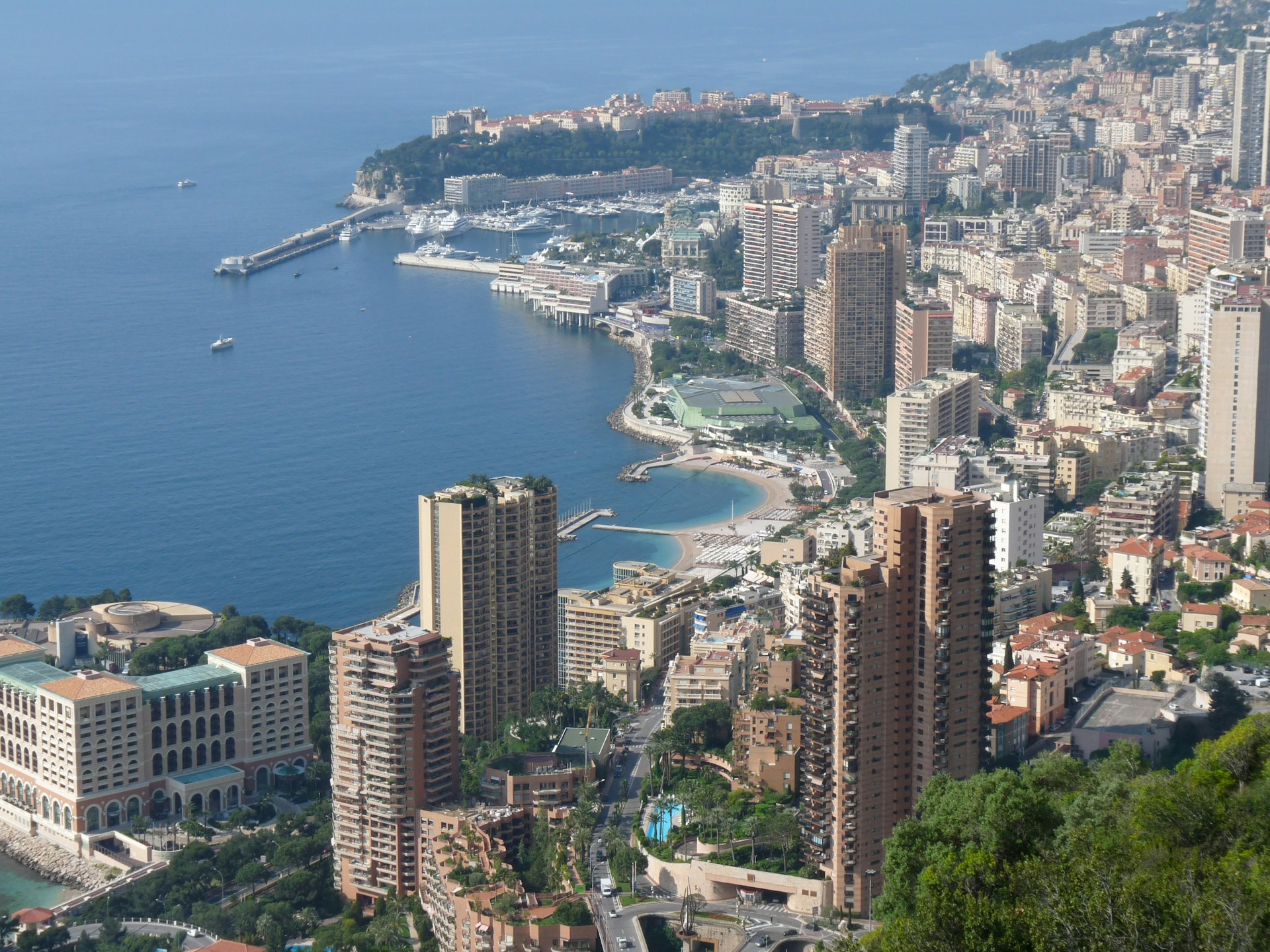
Quick Answer: Monaco residency in 2026 requires a deposit of at least €500,000 in a Monaco bank (often €1 million for non-EU applicants), proof of accommodation through a lease or property purchase, a clean criminal record, and an interview with the authorities. The initial Carte de Séjour is valid for one year and is renewable. For tax benefits, see our Monaco tax benefits guide.
What are the requirements for Monaco residency in 2026?
To obtain Monaco residency in 2026, an applicant must satisfy four core conditions, regardless of nationality.
The first is proof of financial means. Applicants must deposit a minimum of €500,000 with a licensed Monaco bank, and many banks now require €1 million or more, particularly for non-EU citizens. The bank issues an attestation confirming the deposit, which is one of the central documents in the application. This requirement exists because Monaco grants residency to people who can support themselves without working locally, and the deposit demonstrates that capacity.
Proving financial self-sufficiency means obtaining a formal letter from a Monaco bank. See our step-by-step guide to getting a bank attestation for Monaco residency.
The second is proof of accommodation in Monaco. Applicants must either purchase property in the Principality or sign a residential lease of at least twelve months. The accommodation must be genuine and proportionate to the household. Renting a small studio while claiming to relocate a family of five will not satisfy the authorities.
The third is a clean criminal record. Applicants provide a criminal record certificate from their country of nationality and from any country where they have lived in recent years. Monaco conducts its own background checks in parallel.
The fourth is the in-person interview. Applicants attend an interview with the Residents Section of the Monaco police (Direction de la Sûreté Publique), where they confirm their intention to live in Monaco and answer questions about their circumstances.
Beyond these four, applicants must show valid health insurance, a valid passport, and, for non-EU nationals, a French long-stay visa (Visa D) obtained before applying in Monaco. The exact documents vary by nationality, which is why nationality-specific guidance matters.
Before applying, understand the full cost of living in Monaco.
How do residency requirements differ for EU and non-EU citizens?
Nationality is the single biggest factor in how the Monaco residency process works, because the route into Monaco runs through France for non-Europeans.
EU and EEA citizens have the simpler path. They have the right to enter and live in France and Monaco without a visa, so they apply for the Monaco Carte de Séjour directly. The process focuses on the bank deposit, accommodation, and interview. There is no preliminary French visa stage.
Non-EU citizens, including Americans, Australians, British nationals after Brexit, and most other nationalities, must first obtain a French long-stay visa (Visa D) before they can apply for Monaco residency. This is because Monaco is not part of the Schengen Area in its own right and relies on France for immigration control of third-country nationals. The Visa D is applied for at the French consulate in the applicant’s home country, and only once it is granted can the Monaco application proceed. This adds a stage and several weeks to the timeline.
For details, see our guide to Monaco residency requirements for non-EU citizens 2026.
The financial thresholds also tend to differ in practice. While the official minimum deposit is €500,000 for everyone, Monaco banks frequently require €1 million or more from non-EU applicants as part of their own onboarding, reflecting stricter due diligence on source of wealth for third-country nationals.
Two nationalities have dedicated guidance because of their specific tax and legal considerations. American citizens face ongoing US tax obligations and FATCA reporting even after moving, covered in our Monaco residency guide for US citizens. British citizens, now third-country nationals after Brexit, follow the non-EU route, covered in our Monaco residency guide for UK citizens.
How long does the Monaco residency process take?
The Monaco residency process typically takes three to six months from the first preparatory step to receiving the Carte de Séjour, though the timeline depends heavily on nationality and how quickly the applicant assembles documents.
For EU citizens, the process is faster. Once the bank deposit is in place, accommodation is secured, and documents are gathered, the application and interview can be completed in roughly eight to twelve weeks. The main variable is bank account opening, which involves source-of-wealth verification and can take four to twelve weeks on its own.
For non-EU citizens, the timeline is longer because of the French Visa D stage. The Visa D application at the French consulate can take several weeks to a few months depending on the consulate and the season. Only after the Visa D is granted can the Monaco application begin. Realistic end-to-end timelines for non-EU applicants run four to eight months.
The stages, in order, are broadly as follows. First, open a Monaco bank account and place the required deposit. Second, secure accommodation through purchase or a twelve-month lease. Third, for non-EU nationals, obtain the French Visa D. Fourth, gather supporting documents including criminal record certificates, health insurance, and proof of resources. Fifth, submit the Monaco application and attend the interview with the Residents Section. Sixth, receive the Carte de Séjour.
The single most underestimated stage is bank account opening. Monaco banks conduct thorough due diligence and will not be rushed, so applicants who start the banking process early avoid the most common cause of delay. Many applicants who plan an exploratory stay in Monaco use that time to open the bank account and view property, which compresses the overall timeline.
How does Monaco residency relate to tax residency?
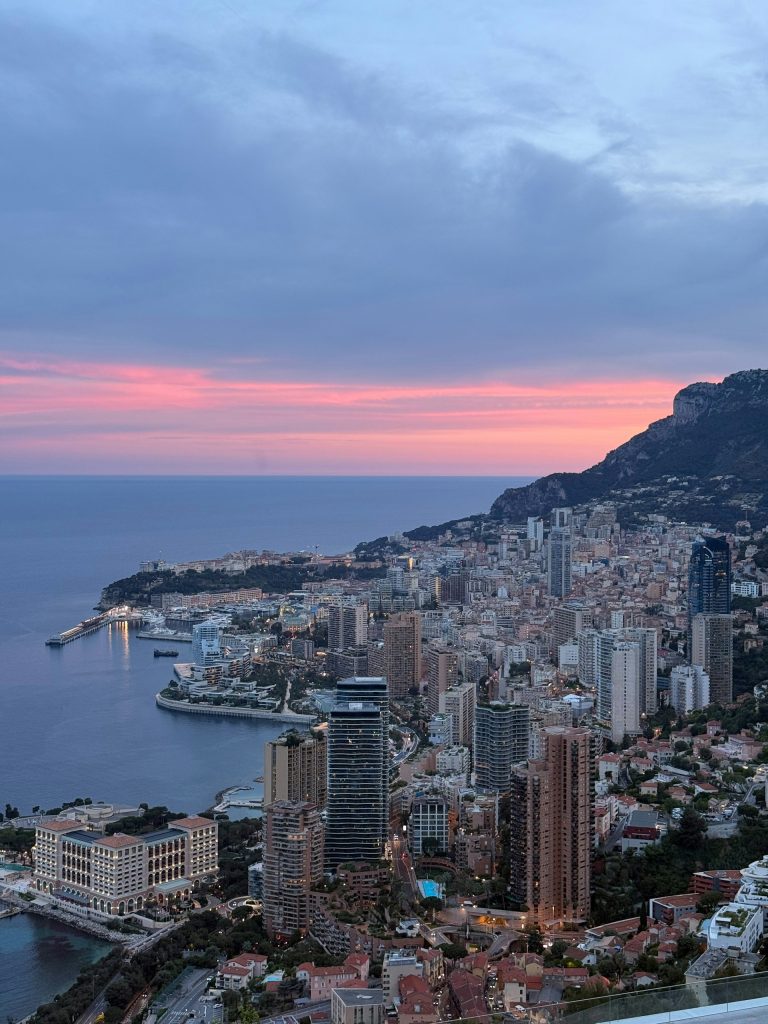
Holding a Monaco Carte de Séjour and being tax resident in Monaco are connected but separate, and understanding the difference matters enormously for anyone relocating for tax reasons.
Monaco levies no personal income tax on its residents, with the long-standing exception of French nationals, who remain subject to French income tax under a bilateral treaty. There is no wealth tax, no capital gains tax on personal assets, and no inheritance tax in the direct line. This is the core reason most people pursue Monaco residency. For the full picture, see our Monaco tax benefits guide.
However, the Carte de Séjour alone does not automatically protect an individual from taxation in their former country. To establish genuine Monaco tax residency that holds up against foreign tax authorities, an individual generally needs to spend significant time in Monaco, typically at least 183 days a year, or demonstrate that their centre of economic and personal life is genuinely in the Principality. Monaco issues an annual tax residence certificate (certificat de résidence fiscale) for this purpose.
The risk for many relocators is that their former tax authority, such as the UK’s HMRC, the US IRS, or France’s tax administration, challenges the move and argues the person never truly left. These authorities apply multi-factor tests that look at where someone actually lives, where their family is, where their economic interests sit, and how many days they spend in each country. Simply holding a Monaco card while continuing to live mostly elsewhere does not work.
For wealthy individuals, this is why residency planning and tax planning are usually done together with professional advisors. The residency card is the foundation, but the tax outcome depends on genuinely relocating one’s life. Our Monaco tax calendar 2026 covers the compliance dates that matter once resident.
Planning a move and want it structured properly from the start? We can introduce you to the right residency advisor and bank for your situation. Get in touch here.
Can you get Monaco residency by investment, and what about citizenship?
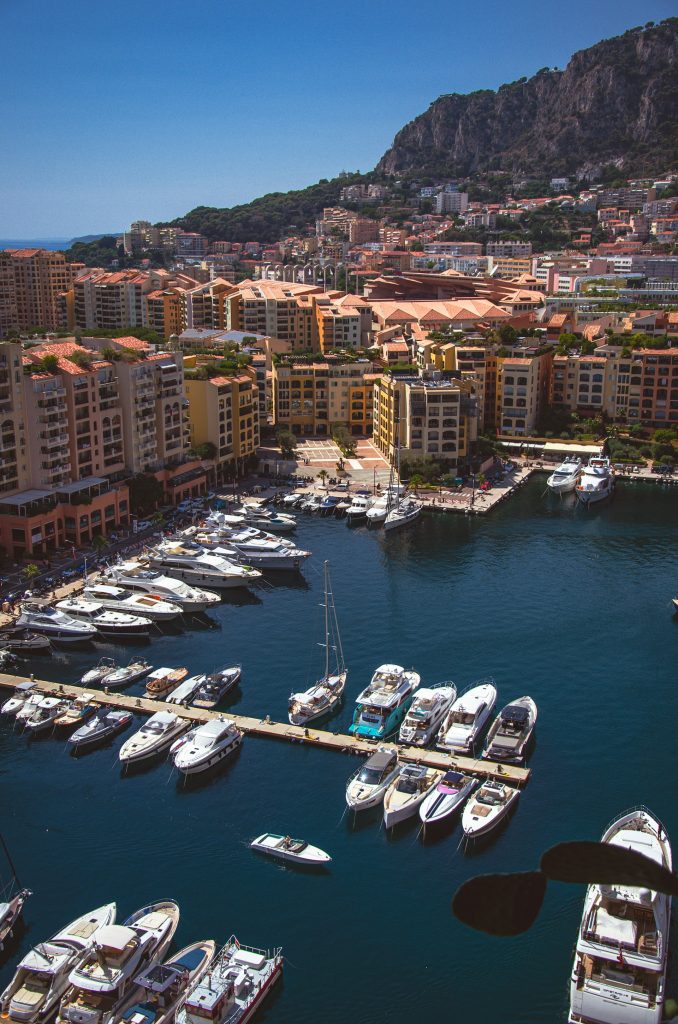
Monaco does not operate a formal golden visa or residency-by-investment programme in the way that Portugal, Greece, or several Caribbean nations do. There is no published price list where a fixed investment automatically grants a residence permit.
In practice, however, Monaco residency is effectively access-by-means. The €500,000 to €1 million bank deposit requirement, combined with the need to buy or rent property in one of the world’s most expensive real estate markets, means that only financially substantial individuals qualify.
The deposit is not a payment to the state. It remains the applicant’s money, held in their own Monaco bank account, but the requirement to hold it demonstrates the financial standing Monaco expects of residents. Searches for “monaco residency by investment” and “monaco golden visa” usually refer to this de facto threshold rather than a formal programme.
Citizenship is an entirely separate and much longer matter. Monaco naturalisation is rare and discretionary, generally requiring at least ten years of continuous legal residence, and it is granted by sovereign decree of the Prince. Most residents never pursue citizenship and have no need to, since residency delivers the tax and lifestyle benefits without it. Holding a Carte de Séjour for the long term, progressing from the one-year card to a three-year card after three years and a ten-year card after ten years, is the path most residents follow.
The residency card itself comes in three escalating types. The first is the temporary card (carte de séjour temporaire), valid for one year and renewable. After three years of residence, residents become eligible for the ordinary card (carte de séjour ordinaire), valid three years. After ten years, the privileged card (carte de séjour privilégié) becomes available, valid for ten years. Each renewal requires demonstrating continued genuine residence in Monaco.
Frequently Asked Questions
What is the minimum bank deposit for Monaco residency in 2026?
The official minimum is €500,000 deposited in a licensed Monaco bank, which issues an attestation for the application. In practice, many Monaco banks require €1 million or more, especially from non-EU applicants, as part of their own onboarding and due diligence. The deposit remains the applicant’s own money.
Do you have to buy property to get Monaco residency?
No. You can either purchase property in Monaco or sign a residential lease of at least twelve months. Both satisfy the accommodation requirement. Many applicants rent first during an exploratory period and buy later once they have decided on a neighborhood.
How long does it take to get Monaco residency?
For EU citizens, roughly eight to twelve weeks once documents and banking are in place. For non-EU citizens, four to eight months, because they must first obtain a French long-stay visa (Visa D) before applying in Monaco. Bank account opening is the most common source of delay.
Do non-EU citizens need a French visa for Monaco residency?
Yes. Non-EU nationals, including Americans, Australians, and post-Brexit British citizens, must obtain a French long-stay visa (Visa D) from the French consulate in their home country before applying for the Monaco Carte de Séjour. EU and EEA citizens do not need this step.
Does Monaco have a golden visa or residency by investment?
No formal golden visa programme exists. Monaco residency is effectively access-by-means: the €500,000 to €1 million bank deposit and the requirement to buy or rent expensive property mean only financially substantial individuals qualify. The deposit is held in the applicant’s own account, not paid to the state.
Do Monaco residents pay income tax?
Monaco residents pay no personal income tax, with the exception of French nationals, who remain taxed by France under a bilateral treaty. There is also no wealth tax, no capital gains tax on personal assets, and no inheritance tax in the direct line. This is the primary reason most people seek Monaco residency.
Is holding a Carte de Séjour enough to be tax resident in Monaco?
Not automatically. To establish tax residency that holds up against foreign authorities, you generally need to spend at least 183 days a year in Monaco or demonstrate your centre of life is genuinely there. Monaco issues an annual tax residence certificate for this purpose. Former tax authorities can challenge moves that are not genuine.
What documents do I need for a Monaco residency application?
Core documents include a valid passport, the bank deposit attestation, proof of accommodation (lease or property deed), a criminal record certificate, proof of health insurance, and proof of financial resources. Non-EU applicants also need the French Visa D. Exact requirements vary by nationality.
How often do I renew my Monaco residency card?
The first card (temporary) is valid one year. After three years of residence you become eligible for the ordinary card, valid three years. After ten years, the privileged card, valid ten years, becomes available. Each renewal requires demonstrating continued genuine residence in Monaco.
Can I get Monaco citizenship through residency?
Citizenship is rare and discretionary, generally requiring at least ten years of continuous legal residence and granted by sovereign decree of the Prince. Most residents never pursue it, since residency delivers the tax and lifestyle benefits without citizenship.
Can my family get residency with me?
Yes. Spouses and dependent children can generally be included in a residency application or join through family reunification, subject to the main applicant meeting the financial and accommodation requirements for the household. The accommodation must be proportionate to the family size.
Which nationalities have specific residency considerations?
Americans face ongoing US tax obligations and FATCA reporting even after relocating. British citizens follow the non-EU route after Brexit. French nationals remain subject to French income tax under a bilateral treaty. We cover the US and UK routes in dedicated guides.
The bottom line
Monaco residency in 2026 rests on four pillars: a substantial bank deposit, genuine accommodation, a clean record, and a personal interview. The path is more straightforward for EU citizens and longer for non-EU applicants who must first secure a French Visa D. The residency card is the foundation, but the tax benefits that draw most people to Monaco depend on genuinely relocating one’s life, not merely holding a permit. Timelines run from three months for EU citizens to eight months for non-EU applicants, with bank account opening the most common cause of delay.
If you are planning a move to Monaco and want to be matched with the right specialists for your situation, we offer confidential introductions to the residency advisors, banks, and notaries who handle these applications.
Get in touch through our contact form.
We work with a small group of trusted professionals in the Principality and match each enquiry carefully, because the first conversation sets the tone for the entire relocation.