
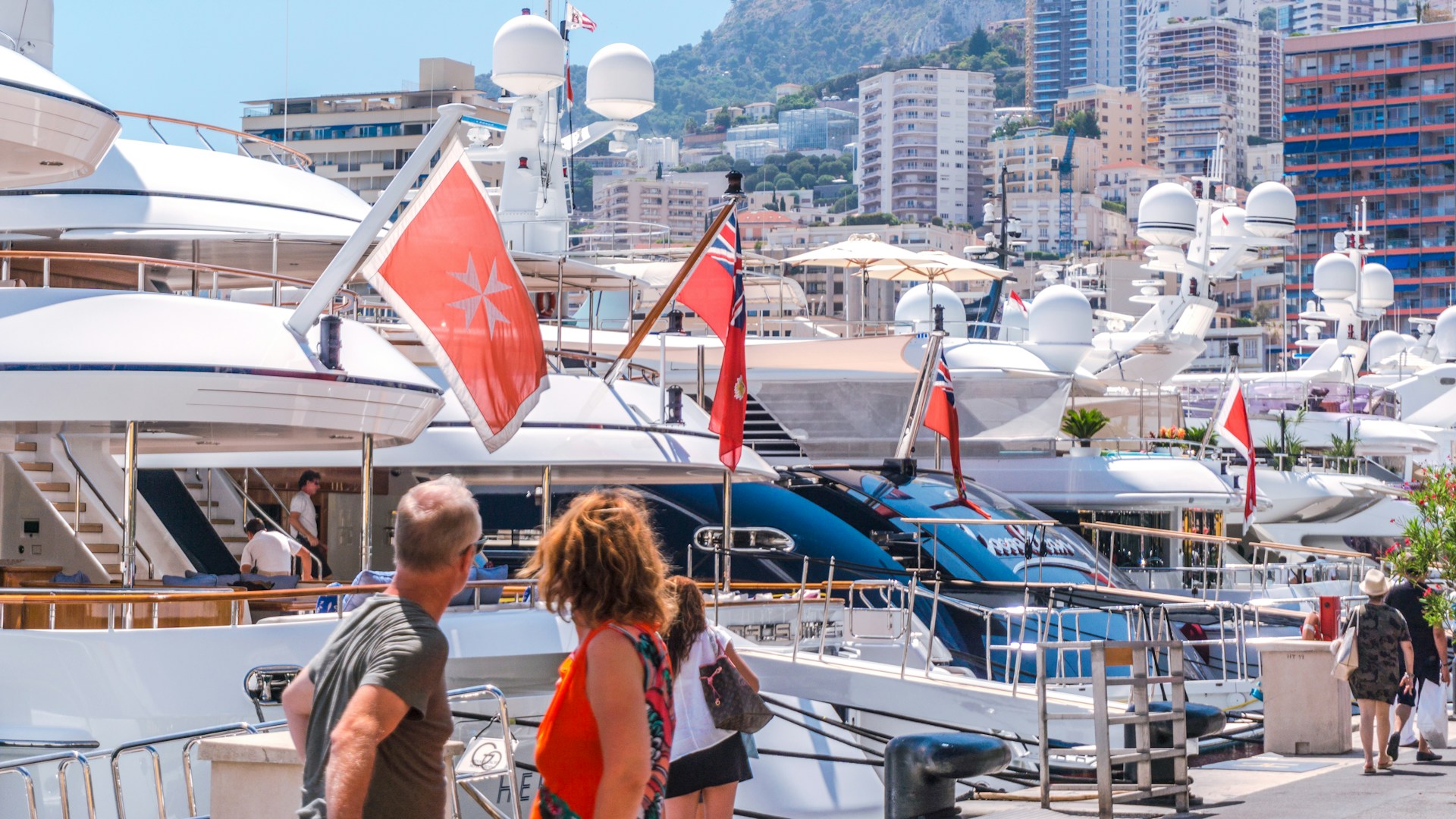
Quick Answer: Buying a superyacht in Monaco requires navigating complex maritime laws, VAT regulations, and standard brokerage fees. Buyers usually pay commissions between two and ten percent. Proper tax structuring and flag registration are crucial to minimize costs and secure your vessel. Review our mooring in Monaco 2026 cost guide.
What Are the Standard Brokerage Fees for Yachts in Monaco?
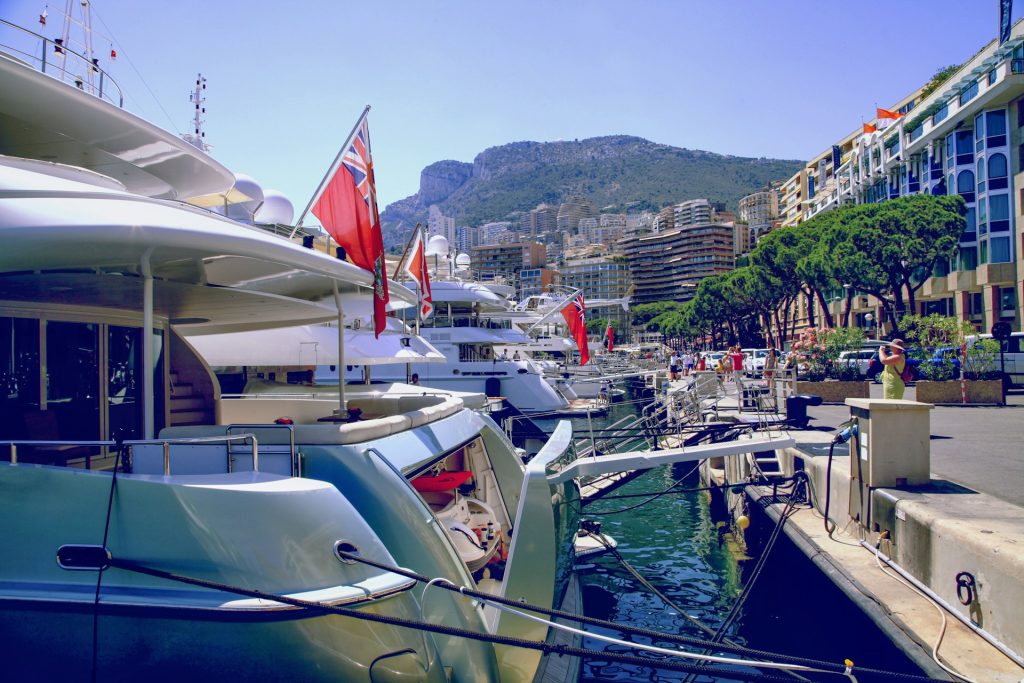
Purchasing a luxury vessel is a massive financial transaction. The process requires professional representation. In Monaco, the superyacht brokerage market operates under strict international standards. The most common standard is set by the Worldwide Yachting Association (MYBA).
Brokerage fees represent a significant part of the transaction. The seller usually pays the commission out of the gross sale price. However, the buyer fundamentally funds this cost through the purchase price. Commission rates are not fixed by law. They operate on a sliding scale based on the total value of the vessel.
For smaller luxury yachts under ten million euros, the standard commission is generally ten percent. As the price of the yacht increases, the commission percentage decreases. For superyachts valued between ten and twenty million euros, the fee often drops to five or six percent. For megayachts valued over fifty million euros, the commission usually sits between two and four percent.
Most transactions involve two different brokers. The seller hires a central agent to list the yacht. The buyer hires a separate broker to represent their interests, negotiate the price, and arrange the sea trials. The two brokers then split the total commission. You should never buy a yacht directly from the seller’s central agent. You need your own dedicated representative to protect your capital.
Your broker will handle the Memorandum of Agreement (MoA). This is the standard legal contract used to buy a superyacht. It outlines the deposit requirements, the timeline for the marine survey, and the exact inventory included in the sale. A specialized maritime lawyer should always review this contract before you sign it.
How Does VAT Apply to Superyachts in the Principality?
Taxation is the most complicated aspect of buying a superyacht in Europe. The Principality of Monaco shares a customs union with France. This means Monaco operates within the European Union VAT territory. If you buy a yacht and keep it in Monaco waters, you must strictly follow EU customs laws.
The standard VAT rate in Monaco is 20 percent. Paying an extra 20 percent on a twenty million euro asset is a massive financial burden. Fortunately, wealthy buyers use specific legal structures to manage or entirely avoid this tax.
The first option is the Temporary Admission regime. This rule applies to non-European residents. If you hold a passport from a country outside the EU, and your yacht flies a non-EU flag, you can operate your vessel in European waters for up to 18 months without paying VAT. You must strictly observe the customs rules to avoid massive fines. Many foreign buyers choose this route.
You can evaluate your own fiscal status by reviewing our complete Monaco residency checklist 2026.
The second option is the French Commercial Exemption (FCE). If you intend to operate your superyacht as a commercial charter business, you may qualify for this exemption. A commercially registered yacht can purchase fuel, supplies, and shipyard services completely tax-free. However, you must prove the yacht is a genuine business. You cannot use the yacht exclusively for personal family holidays. You must sign commercial charter contracts and generate actual revenue.
Navigating VAT requires elite maritime tax lawyers. A small paperwork error can result in customs officials arresting your vessel at the dock in Port Hercule. You must finalize your VAT strategy before you sign the final purchase contract.
Secure Your Private Maritime Team
Acquiring a superyacht requires flawless legal and financial coordination. We connect unrepresented buyers directly with Monaco’s most trusted maritime lawyers and elite yacht brokers. Request a Private Introduction Here
Which Flag Registration Is Best for Your Monaco Superyacht?
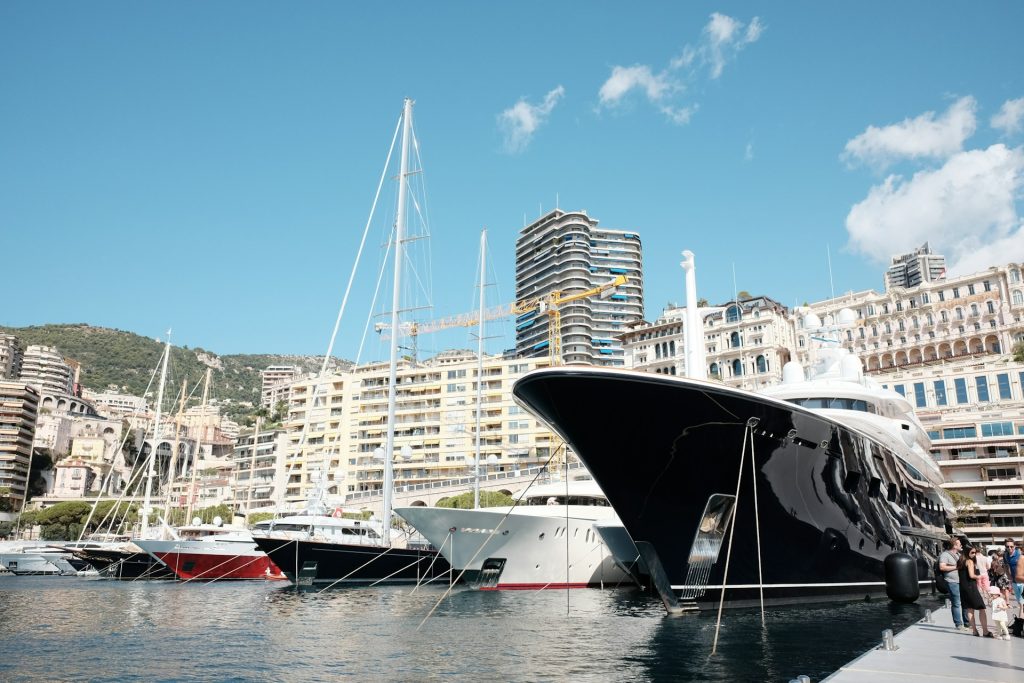
Every yacht must have a nationality. This nationality is known as the vessel’s flag. Choosing the correct flag is one of the most important decisions you will make during the purchasing process. The flag dictates the tax status of the yacht, the labor laws governing your crew, and the technical safety standards you must maintain.
Many buyers assume they should register their yacht under the Monaco flag. However, the Monegasque registry is extremely exclusive. The government only allows citizens and official residents to fly the Monaco flag. Even if you qualify, the local tax and labor regulations can be burdensome for large commercial vessels.
Most superyachts anchored in Port Hercule fly “flags of convenience.” The most popular jurisdictions are part of the Red Ensign Group. This group includes the Cayman Islands, the Isle of Man, and the British Virgin Islands.
The Cayman Islands flag is the absolute gold standard for superyachts. It offers immense prestige, tax neutrality, and a highly respected legal system based on English common law. Cayman Islands registry officials are highly experienced with massive vessels. They understand the complex technical needs of superyacht owners.
The Marshall Islands and Malta are also excellent choices. Malta is particularly popular for owners who want their vessel to fly an official European Union flag while still enjoying favorable corporate tax structures. Your maritime lawyer will help you choose the specific flag that perfectly matches your cruising itinerary and your personal tax residency.
Should You Buy the Yacht Through a Corporate Entity?
Ultra-high-net-worth individuals rarely buy a superyacht in their own personal name. Doing so exposes your entire personal fortune to massive liability. If the yacht causes environmental damage or a crew member suffers an injury, you want your personal assets completely shielded from lawsuits.
Instead, buyers use a Special Purpose Vehicle (SPV) to acquire the vessel. An SPV is a separate corporate entity created solely to own the yacht. This company is usually incorporated in a tax-neutral jurisdiction like the Cayman Islands or the British Virgin Islands.
Using a corporate structure provides incredible privacy. The public registry will show the company name as the owner of the vessel, not your personal name. This level of discretion is standard in the Principality.
You can learn more about how local privacy functions in our article explaining how safe Monaco is for high-profile residents.
A corporate structure also makes selling the yacht much easier in the future. Instead of selling the physical boat and paying transfer taxes, you simply sell the shares of the holding company to the new buyer. The yacht remains property of the same company, and the flag registration remains perfectly intact.
Setting up this offshore structure requires a banking partner who understands maritime finance. Standard retail banks will not open accounts for offshore holding companies. You must work with an elite wealth management institution. You can review the top options in our guide to private banking in Monaco. These banks offer specialized Lombard lending if you wish to finance a portion of the yacht purchase.
What Are the Ongoing Management and Crew Costs?
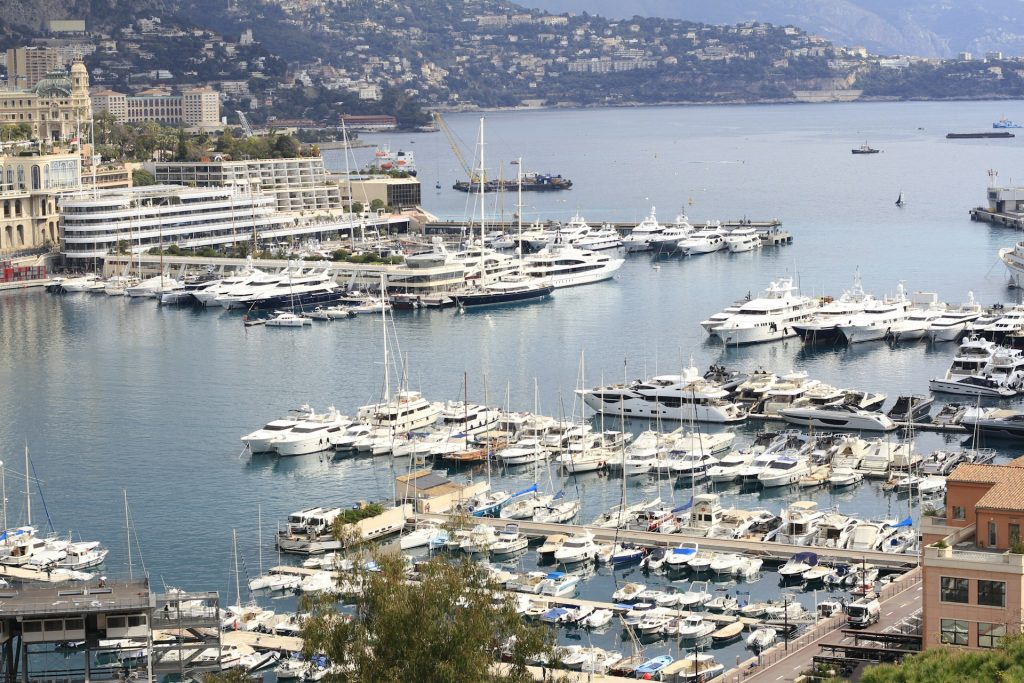
Buying the yacht is only the first financial step. Operating a superyacht requires a massive annual budget. The industry standard rule is that annual running costs will equal roughly ten percent of the yacht’s initial purchase price. If you buy a thirty million euro yacht, you must budget three million euros every single year for operations.
Crew salaries represent the largest ongoing expense. A 50-meter superyacht requires a captain, multiple engineers, deckhands, a private chef, and an interior hospitality team. You must pay competitive global salaries to attract top talent. You also have to provide health insurance, specialized training, and repatriation flights for the crew. You must factor in their local expenses if they spend time on land. You can check local pricing in our guide to the cost of living in Monte Carlo.
Maintenance and shipyard periods are also incredibly expensive. Superyachts must undergo strict technical surveys every five years to maintain their classification. You must also budget for routine engine servicing, fresh hull paint, and interior upgrades during the winter months.
Because operating a vessel is essentially running a mid-sized corporation, most owners hire a professional yacht management agency. Monaco is home to the largest yacht management firms in the world, including Fraser, Burgess, and Camper & Nicholsons.
Once you own your yacht, the next challenge is finding somewhere to keep it. Berths in Monaco are scarce and sought-after, so it pays to understand how availability works before you need it. See our guide to securing a superyacht berth in Monaco.
The management company acts as your executive team. They handle crew payroll, regulatory compliance, shipyard negotiations, and emergency technical support. They charge a flat monthly retainer for this service. Using a top-tier management firm ensures your yacht operates safely and protects the long-term resale value of your asset. Do not underestimate these structural expenses. They operate similarly to the hidden fees in local property markets.
You can draw parallels by reading our guide on the hidden costs of buying real estate in Monaco.
Summary of Superyacht Purchase Logistics
Here is a brief overview of the key financial and legal components involved in acquiring a superyacht in Monaco.
| Purchase Component | Estimated Cost / Standard Practice | Key Detail |
| Brokerage Commission | 2% to 10% | Paid from gross sale price, split between brokers |
| Standard VAT | 20% in Monaco/France | Can be avoided via Temporary Admission or Commercial Exemption |
| Ownership Structure | Special Purpose Vehicle (SPV) | Shields personal liability, ensures extreme privacy |
| Popular Flags | Cayman Islands, Malta, Marshall Islands | Dictates tax status and crew labor laws |
| Annual Running Costs | 10% of yacht value | Covers crew, insurance, fuel, and winter shipyard maintenance |
Frequently Asked Questions
Do buyers pay yacht brokerage fees in Monaco?
Technically, the seller pays the brokerage commission out of the final sale price. However, the buyer funds this transaction. It is critical to hire your own buyer’s broker to negotiate the price on your behalf.
What is the MYBA standard commission?
The Worldwide Yachting Association does not enforce fixed commissions, but standard rates slide based on the yacht’s value. Smaller yachts typically see a ten percent commission. Megayachts over fifty million euros usually see commissions between two and four percent.
Do I have to pay 20 percent VAT on a superyacht?
If you are an EU resident using the yacht for private pleasure in EU waters, you must pay VAT. However, non-EU residents can use Temporary Admission to defer taxes. Commercial charter yachts can also claim the French Commercial Exemption.
What is Temporary Admission for yachts?
Temporary Admission is a customs regime. It allows non-EU residents with non-EU-flagged yachts to cruise freely in European waters (including Monaco) for up to 18 months without paying the 20 percent VAT.
Can a foreign citizen register a yacht under the Monaco flag?
Generally, no. The Monegasque ship registry is highly exclusive. You must be an official citizen of Monaco or hold a valid Monegasque residency card to register a vessel under the Monaco flag.
What is the most popular flag for Monaco-based superyachts?
The Cayman Islands is widely considered the best flag for superyachts. It offers tax neutrality, strong legal protections, and a prestigious global reputation. The Marshall Islands and Malta are also very popular choices in Port Hercule.
Should I use an SPV to buy my yacht?
Yes. Purchasing a superyacht through a Special Purpose Vehicle isolates the asset from your personal wealth. This protects you from massive personal liability and provides complete privacy on public ownership registries.
How much does superyacht management cost?
Yacht management companies charge a monthly retainer based on the size of the vessel and the scope of services. Overall annual running costs, including management, crew, and maintenance, typically equal ten percent of the yacht’s purchase price.
Do I need a Monaco bank account to buy a yacht?
While not strictly mandatory, having an elite private banking relationship is highly recommended. Standard retail banks will not finance offshore SPVs. Monaco private banks specialize in Lombard lending and complex maritime asset finance.
How long does the purchasing process take?
Buying a superyacht takes time. From the initial offer and the Memorandum of Agreement to the final sea trials and marine survey, the standard transaction usually takes between two and four months to complete.
Get the right connections
Relocating your yacht to Monaco requires a flawless team of specialists. Managing EU customs regulations, negotiating with brokers, and setting up offshore holding companies is a highly complex legal undertaking. Our team works directly with the most discreet maritime lawyers, private bankers, and superyacht brokers in the Principality.
We can connect you with the right professionals to ensure your acquisition is secure, tax compliant, and completely private.