
Monaco real estate is perhaps the most exclusive asset class in the world. With prices per square meter regularly exceeding €50,000, the financial barrier to entry is immense. For investors operating at this level, the conversation shifts from simple affordability to strategic wealth management. But what are the rental yields in Monaco?
A common question for those looking to deploy capital into the Principality is about the investment return. Specifically, what kind of rental yield can one expect from a Monaco property?
The answer is complex and often surprising to those used to other global markets. Monaco does not follow standard real estate rules. It is a micro-market driven by extreme scarcity, exceptional security, and unique tax advantages.
This guide provides a comprehensive look at rental yields in Monaco. We will explore the realities of the numbers, why investors still flock here despite lower percentage returns, and how to maximize your investment in different neighborhoods.
Understanding the Basics: What is Rental Yield?
Before diving into the specifics of the Monaco market, it is important to clarify what we mean by rental yield. It is the return on investment from rental income, expressed as a percentage of the property’s value.
There are two critical types to consider:
1. Gross Rental Yield
This is the simplest calculation. It is your total annual rental income divided by the property purchase price, multiplied by 100 to get a percentage.
- Example: You buy an apartment for €5,000,000 and rent it for €120,000 per year (€10,000 per month). Your gross yield is 2.4%.
2. Net Rental Yield
This is the more accurate figure. It takes your gross rental income and subtracts all annual costs before dividing by the purchase price. These costs include building service charges, management fees, maintenance, and insurance.
In Monaco, service charges in luxury buildings can be significant, so the gap between gross and net yield is an important factor in your calculations.
The Monaco Reality Check: The Numbers

If you are an investor used to double-digit yields in emerging markets or 5% returns in some European capitals, Monaco will require a shift in perspective.
In Monaco, average gross rental yields typically sit between 1.5% and 2.5%.
Why so low?
It is not because rents are low. Rents in Monaco are among the highest in the world. A small one-bedroom apartment in a good area can easily command €6,000 to €8,000 per month.
The yield percentage is low because the denominator in the equation – the property price – is exceptionally high. When you pay €60,000 per square meter to buy an apartment, even a very high monthly rent translates into a modest annual percentage return.
The Studio Anomaly
Interestingly, smaller properties often generate higher percentage yields than larger, ultra-luxury ones. Studios and small one-bedroom apartments are in constant high demand. They are needed by singles, young professionals, and, crucially, individuals who need a physical address to fulfill the requirements for residency.
A compact, well-located studio might achieve a yield closer to 2.8% or even 3%, whereas a sprawling penthouse in the Carré d’Or might only yield 1.5%. The penthouse generates far more cash, but it costs exponentially more to buy.
The Investment Thesis: Why Buy if Yields Are Low?
If the primary goal was immediate monthly cash flow, few would invest in Monaco. Yet, demand remains insatiable. This is because the Monaco investment thesis is not about rental yield. It is about three other powerful pillars.
1. Capital Appreciation (Wealth Generation)
This is the primary driver. Monaco has a finite amount of land. Supply is incredibly constrained, and demand from global wealth continues to grow. Despite global economic headwinds, Monaco property prices have shown remarkable resilience and consistent long-term growth. Investors accept a 2% rental yield because they are banking on significant growth in the asset’s capital value over five to ten years.
2. Security and Stability (Wealth Preservation)
Monaco is considered a safe harbor. In a world of geopolitical uncertainty and volatile markets, bricks and mortar in the Principality are seen as a blue-chip defensive asset. Investors park capital here knowing it is physically secure and protected by a stable political and legal framework.
3. The Tax Environment
While there are costs associated with buying and renting, the broader fiscal benefits of being invested in Monaco are a major draw. For residents, there is no personal income tax on rental income received. For detailed information on the fiscal landscape, read our guide on the Tax Benefits of Owning Property in Monaco.
Factors Influencing Rental Yields in Monaco
Not all properties in the Principality perform equally. Several key factors will dictate the rent you can achieve and the final yield.
Location and View
A sea view or a view of the Formula 1 track commands a significant premium. Properties in the prestigious Carré d’Or of Monte Carlo will always have the highest rental values in absolute terms, even if their purchase price suppresses the yield percentage.
Building Amenities
Modern tenants expect a high level of service. Buildings with a 24-hour concierge, a swimming pool, a gym, and secure parking are far easier to rent out and command higher prices than older “Bourgeois” buildings without elevators or facilities.
Condition of the Property
The rental market is competitive. A newly renovated unit with modern air conditioning, a high-spec kitchen, and contemporary bathrooms will rent much faster and for a higher price than a tired, unmodernized unit. Investing in renovation before renting is often a smart strategy to boost yield.
Residency Suitability
A huge driver of the rental market is people needing an address to apply for their residence card. The authorities require the property to be of an “appropriate” size for the household. Therefore, functional apartments that meet these criteria are in constant demand. To understand these requirements, review the Conditions for Obtaining Residency in Monaco.
Neighborhood Analysis: A Yield Perspective
Different districts in Monaco offer different investment profiles.
Monte Carlo (Carré d’Or)
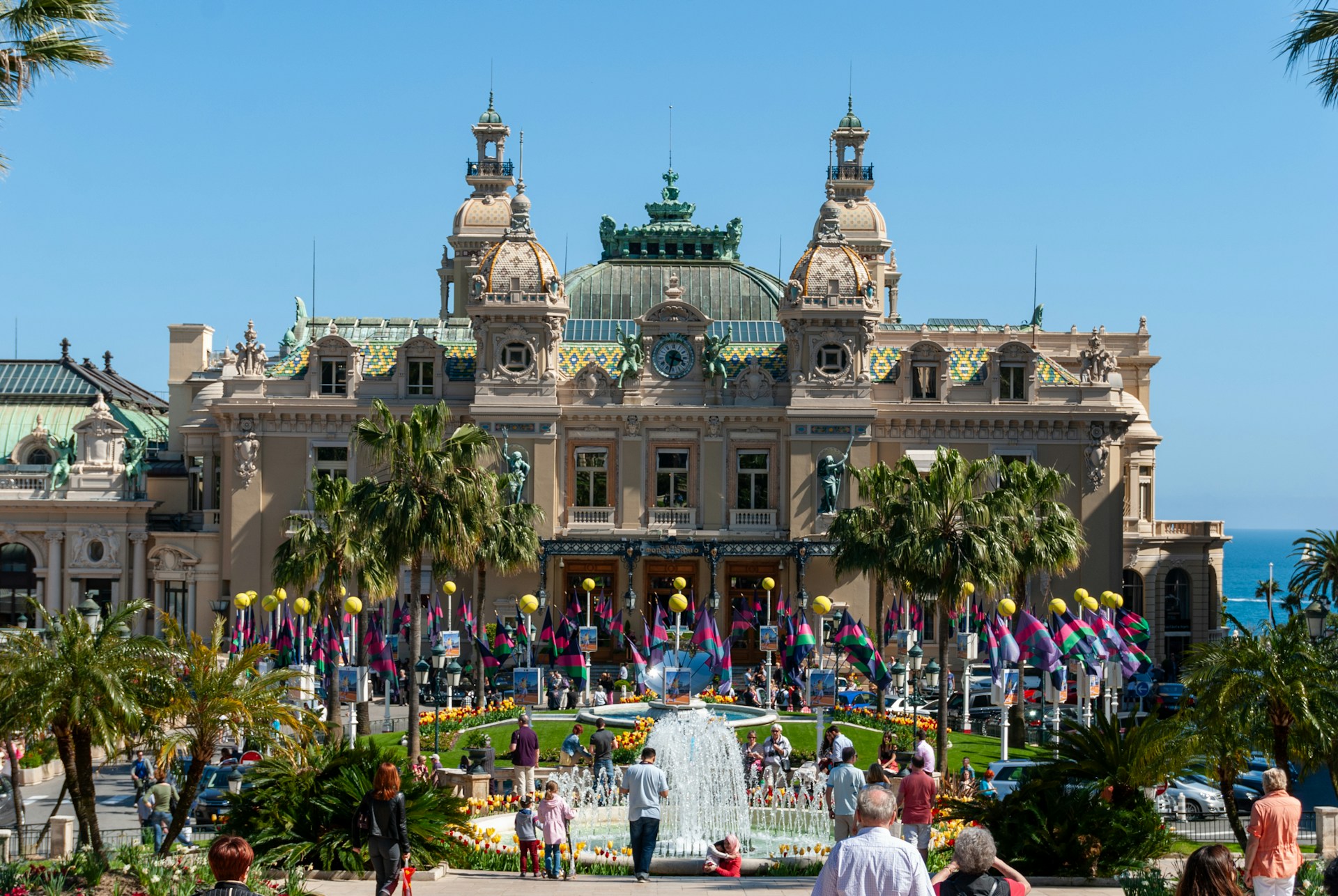
This is the peak of luxury, surrounding the Casino Square.
- The Profile: The highest purchase prices and the highest absolute rents.
- The Yield: Often the lowest in percentage terms (around 1.5% to 1.8%) because the capital entry cost is so immense.
- The Tenant: Ultra-high-net-worth individuals who want the most prestigious address and are willing to pay for it.
Check out our Cost of Living in Monte Carlo guide.
Fontvieille
Built on reclaimed land, this district is popular with families and professionals.
- The Profile: Modern buildings, good amenities, proximity to the heliport, and a village feel with the port and restaurants.
- The Yield: Often slightly better than Monte Carlo, potentially pushing towards 2.2% to 2.5%. The area has strong, consistent rental demand throughout the year.
- Read More: For a deeper dive into life in this district, check out our Cost of Living in Fontvieille: 2025 Guide.
La Condamine
The historic heart of Monaco around Port Hercules.
- The Profile: Vibrant, central, and home to the famous market. It offers a mix of older, charming buildings and newer developments.
- The Yield: This area is increasingly popular with younger residents and those who want to be in the center of the action, especially near the harbor. Renovated units here can offer very solid yields.
Check out our Cost of Living in La Condamine guide.
Jardin Exotique
Located on the upper slopes, offering panoramic views and a quieter atmosphere.
- The Profile: Family-oriented and peaceful. Prices are more moderate (~€49,000/m²), making it an attractive entry point.
- The Yield: One of the stronger performers for percentage return. Because purchase prices are lower than the Carré d’Or but rents remain healthy (~€85-88/m²), investors can often achieve yields above 2.2%.
- Investment Angle: A smart choice for “buy-to-let” investors seeking steady occupancy from families attending the nearby schools.
Moneghetti
The border district with Beausoleil, known for its Belle Époque architecture.
- The Profile: The “Value Investor’s” choice. It is currently the most affordable district in Monaco, with average prices around €42,000/m².
- The Yield: Often the highest in the Principality. With lower capital entry costs but a consistent demand for affordable rentals (avg rent €77/m²), yields here can push towards 2.5% – 3.0%.
- Investment Angle: Perfect for investors focused on maximizing percentage return rather than just prestige. The potential for value-add through renovation is also highest here.
Maximizing Your Returns
If you are entering the Monaco buy-to-let market, here are strategies to ensure you get the best possible return.
Target the Right Market
Decide if you are targeting long-term residents or the corporate/short-term market. Long-term leases (usually one year, renewable) offer stability. Short-term rentals (seasonal or during major events like the Grand Prix or Yacht Show) can generate enormous weekly income but require far more intensive management and carry higher vacancy risks.
Furnished vs. Unfurnished
Traditionally, long-term rentals in Monaco were unfurnished. However, there is a growing trend towards high-quality furnished rentals for corporate relocations or newcomers who want a turnkey solution while they get settled. A beautifully furnished apartment can command a 20% to 30% premium in rent.
Minimize Voids
A vacant month kills your yield. Ensure your property is priced correctly for the market. Work with a reputable local agency that has a strong waiting list of qualified tenants. In Monaco, a well-priced, good-quality apartment should not sit empty for long.
The Long Game
Investing in Monaco real estate for rental yield is a play on stability and long-term value. It is not about generating rapid passive income to live off today. It is about parking significant wealth in an asset that will generate a steady, reliable, high-value income stream while the underlying asset appreciates over the next decade.
When you factor in the security, the lifestyle, and the tax advantages of the Principality, a 2% yield on a Monaco apartment is often viewed by the world’s wealthy as exceedingly attractive compared to a 5% yield in a volatile or highly taxed jurisdiction.
As we move into 2026, with supply remaining tightly constrained even with new developments, the fundamentals of the Monaco rental market look set to remain as robust as ever.
Are you considering an investment purchase in the Principality? Before you proceed, it is essential to understand the full financial picture. Read our guide on The Hidden Costs of Buying Real Estate in Monaco.