
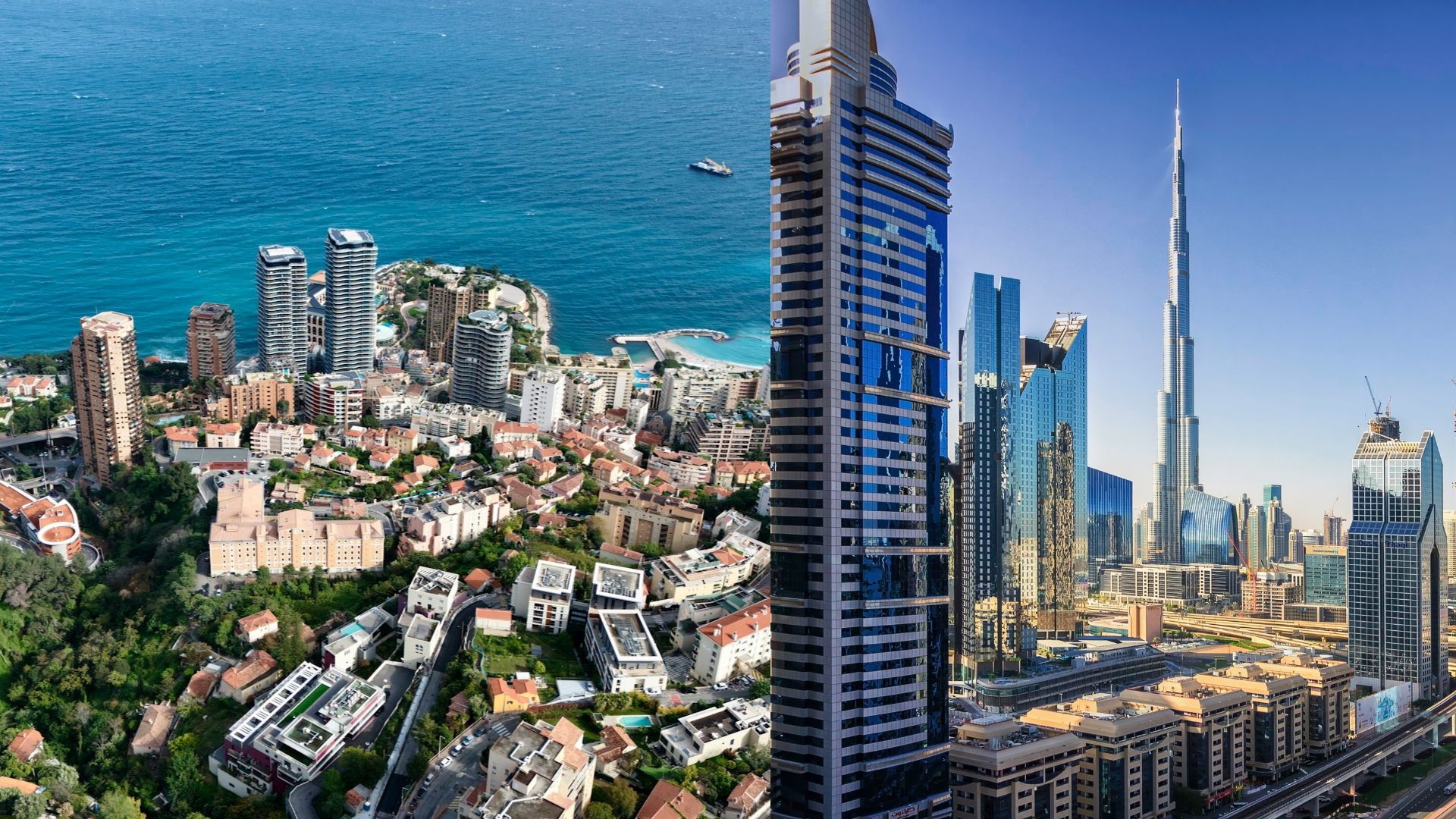
Quick Answer: Monaco and Dubai both offer 0% personal income tax, but they suit different people. Monaco wins for wealth preservation, a walkable European lifestyle, and political stability, with prime property near €52,000 per square meter. Dubai wins for flexible residency, higher yields, and lower entry prices. See our Monaco tax benefits guide.
For decades, the choice for the global elite was simple: Monaco for tradition, privacy, and European lifestyle; Dubai for energy, expansion, and scale. As we enter 2026, the decision has become more nuanced. So who is the Monaco vs Dubai winner, and where should you invest?
While both jurisdictions remain the world’s premier tax-free havens, their real estate markets are diverging sharply. Monaco is entering a phase of hyper-scarcity following the completion of its Mareterra extension. Dubai is entering a maturation phase, with analysts predicting a supply-driven correction that could favor buyers. This guide compares Monaco to Dubai, tailored for the landscape of 2026.
At a glance: the 2026 comparison
| Feature | Monaco | Dubai |
|---|---|---|
| Personal Income Tax | 0% | 0% |
| Corporate Tax | 0% (mostly) | 9% (Mainland) |
| 2026 Market Trend | Scarcity: +4% growth | Correction: Buyer’s Market |
| Avg. Prime Price (per m²) | ~€52,000 | ~€9,000 to €18,000 |
| Residency Deposit | ~€500,000 bank deposit | ~€500,000 property (Golden Visa) |
| Physical Presence | 183 days enforced | Visit once every 6 months |
| Safety Rank | Top 5 Globally | Top 10 Globally |
How do Monaco and Dubai property markets compare in 2026?
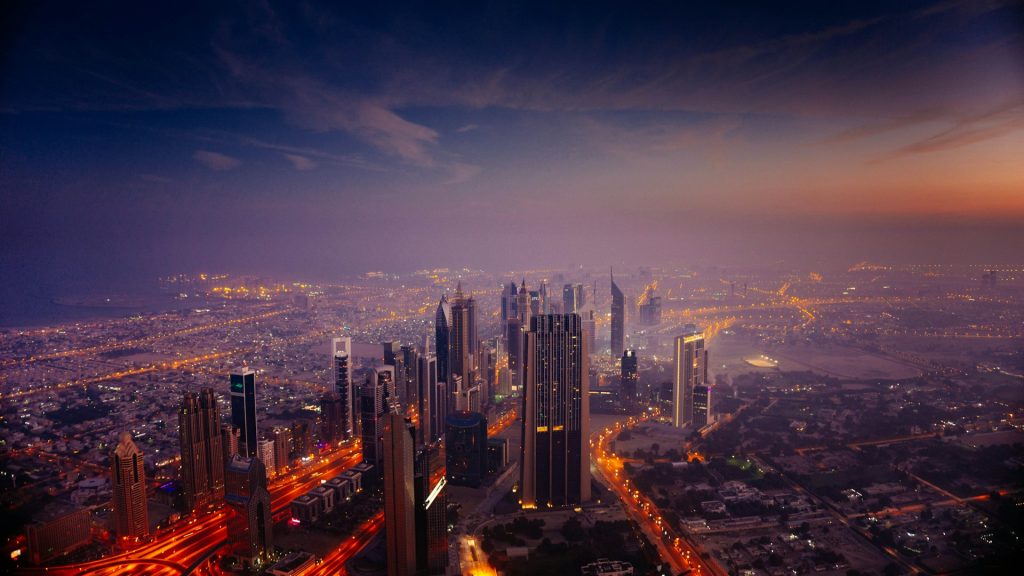
The most important update for 2026 is the opposing trajectories of the two property markets.
Monaco in 2026: the Mareterra effect. Monaco continues to defy gravity. The completion of Mareterra, the €2 billion land reclamation project, has not flooded the market. Instead, it has reset the ceiling.
With Mareterra units trading well above €100,000 per square meter, older prime stock in Larvotto and Monte Carlo is being pulled upwards in value. Analysts predict steady growth of around 4% in 2026. A key trend is the scarcity of large apartments, with 71% of new sales now for units with three or more bedrooms, driven by families relocating for residency. The smart money in 2026 is chasing renovation projects, buying unmodernized apartments in La Condamine and upgrading them to Mareterra standards for the highest potential return.
Dubai in 2026: the supply shock. After years of double-digit growth, Dubai’s market is cooling. This is not a crash but a stabilization driven by massive supply. Approximately 120,000 new units are scheduled for delivery in 2026 alone, particularly in areas like Jumeirah Village Circle and Business Bay, which is expected to temper rental growth and flatten prices. Some analysts, including Fitch, forecast a potential correction of 5 to 15% as this supply arrives. This makes 2026 likely to be a buyer’s market, with developers offering aggressive payment plans to move inventory. The luxury focus is shifting to Palm Jebel Ali, which will see major infrastructure milestones in 2026.
The verdict on property: buy in Monaco for wealth preservation and low-volatility growth. Buy in Dubai for yield and opportunistic deals, but be wary of off-plan oversupply in mid-tier areas. For a deeper look at how Monaco holds its value, see why Monaco has the most expensive real estate in the world.
Weighing a move from the Gulf to the Riviera? We help relocating buyers connect with the right residency and property specialists in Monaco. Get in touch here.
How does tax differ between Monaco and Dubai in 2026?

The era of zero tax on everything in Dubai is officially over for businesses, while Monaco holds the line.
Monaco remains a true fiscal haven. Companies operating within the Principality pay 0% corporate tax, provided at least 75% of their turnover is generated locally. There is still 0% capital gains tax and 0% wealth tax for residents, and no personal income tax except for French nationals under a bilateral treaty. For the full picture, see our Monaco tax benefits guide.
Dubai now applies a 9% federal corporate tax, fully operational for mainland companies generating over AED 375,000 (around €95,000) in profit. While free zones still offer 0% exemptions on qualifying income, the compliance burden has increased significantly, with audits and qualifying-income tests now part of the picture.
Personal income remains untaxed in both locations, so for individuals living on investment income or salary, both deliver the same headline 0% result. The difference bites for business owners, where Monaco’s mostly-0% corporate regime is now simpler than Dubai’s 9% mainland tax.
Which has easier residency, Monaco or Dubai?
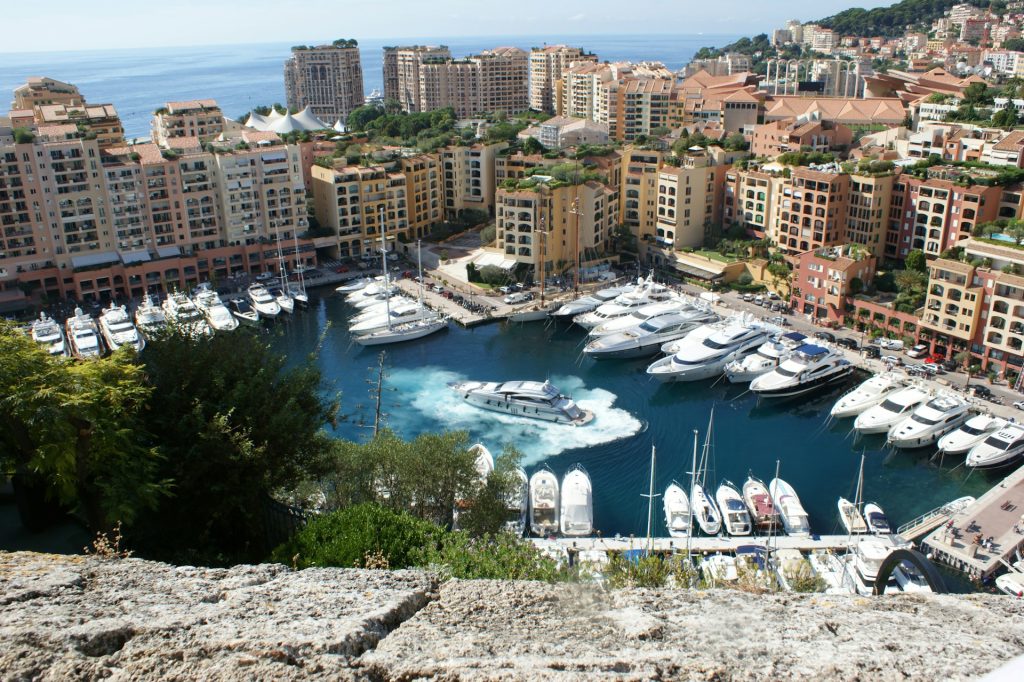
The two jurisdictions take opposite approaches to residency, and this is often the deciding factor.
Monaco follows a commitment model. You must be all in. The financial benchmark is a deposit of around €500,000 in a local bank, plus accommodation through purchase or a twelve-month lease. To maintain genuine tax residency, the 183-day presence expectation is taken seriously. It is a lifestyle choice, not just a paper status. For the full process, see our complete guide to Monaco residency requirements, or, if you have already chosen Monaco, our practical guide to moving from Dubai to Monaco.
Dubai follows a pay-and-go model and remains the king of flexibility. The ten-year Golden Visa, which requires a property purchase of around AED 2 million (€500,000), allows you to hold residency without living there. You can visit once every six months and keep your status. The government continues to expand Green Visa and freelance options, making it easier than ever to relocate without a corporate sponsor.
The trade-off is clear. Dubai offers flexible residency you can hold at arm’s length. Monaco offers residency that genuinely roots you in Europe, which is exactly what makes it robust against challenges from foreign tax authorities. If your goal is a defensible European tax residency, Monaco’s commitment model is a feature, not a burden.
Thinking seriously about Monaco residency? We can connect you with the right advisors to get it structured properly. Speak with us here.
What is the lifestyle difference between Monaco and Dubai?
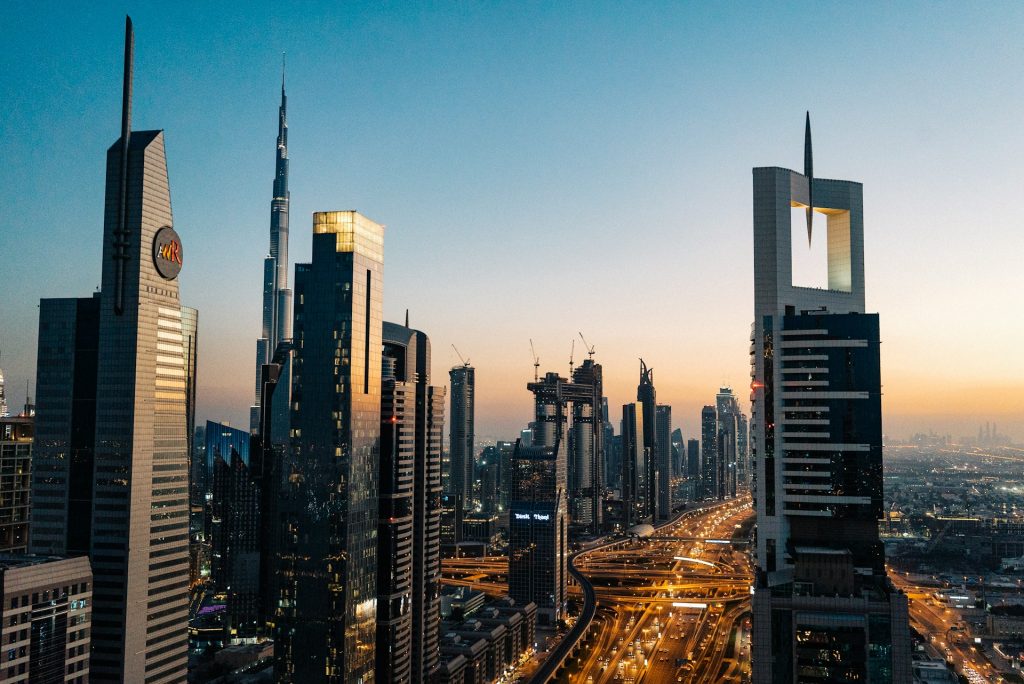
The two cities offer fundamentally different ways of living.
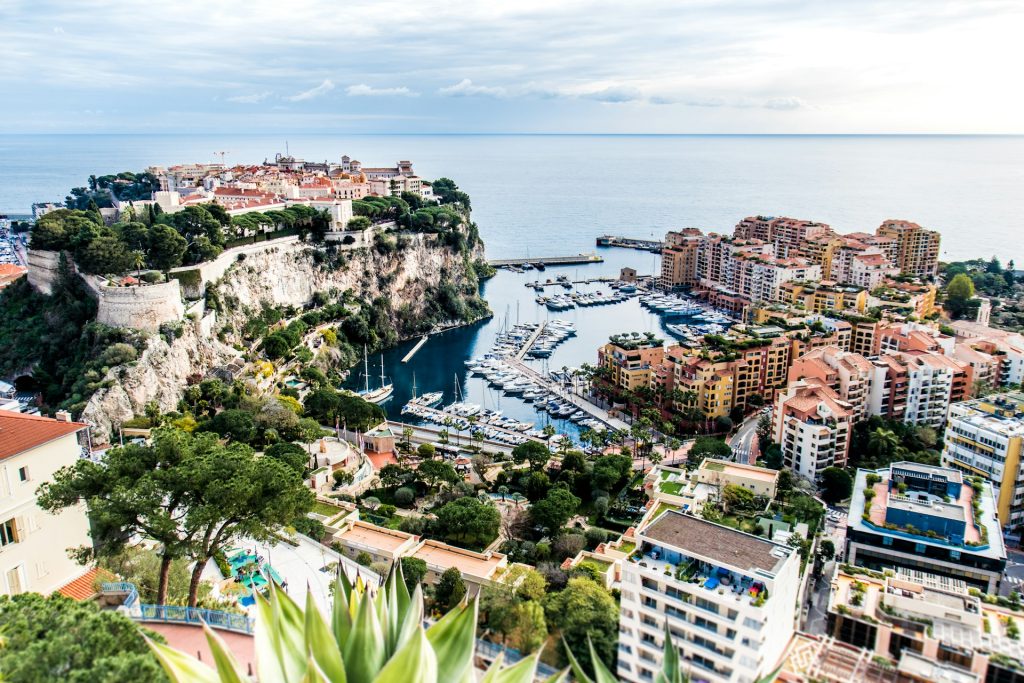
Monaco is walkable and intimate. You can walk from the Casino to the Palace in twenty minutes. The lifestyle is village-like and deeply connected to the outdoors, with a Mediterranean climate of mild winters and warm summers. Nice Airport is around seven minutes away by helicopter, putting the whole of Europe within easy reach. Safety is among the highest in the world, a major draw for families. Monaco also sits in the stable heart of Western Europe, insulated from regional conflict, which is part of its appeal as a long-term home rather than just a financial base. To understand daily costs, see our guide to the cost of living in Monte Carlo.
Dubai is a driving city of mega-malls and air-conditioned luxury. In 2026, new communities like Dubai Islands are trying to create more walkable waterfront districts, but the car remains king. The summer heat from June to September forces life indoors for months at a time. Where Dubai excels is connectivity: Dubai International remains the world’s best hub for connecting East and West, around four hours to London and four hours to Mumbai, which is a genuine advantage for those running businesses across Asia and Africa. Dubai itself is exceptionally safe and well-governed, though it sits in a wider region that carries more geopolitical volatility than Western Europe, a factor some families weigh when choosing a permanent base versus a flexible one.
In short, Monaco offers a European, outdoor, walkable life at a human scale. Dubai offers scale, modernity, and global connectivity, at the cost of climate and walkability. Many of the wealthiest individuals ultimately hold a foot in both, but the daily-living experience could hardly be more different. For another angle on Monaco against a major rival hub, see our Monaco vs Singapore comparison.
Should you choose Monaco or Dubai in 2026?
The gap between the two has widened in 2026, which makes the choice clearer than it used to be.
Choose Dubai if you are a yield-focused investor looking to buy during the 2026 supply correction, if you need flexible residency that does not require six months of presence, or if you operate a trading business connecting Asia and Africa.
Choose Monaco if you want a safe-haven asset immune to oversupply thanks to the scarcity of land, if you want a mostly-0% corporate tax environment without the complexity of Dubai’s new 9% regime, or if you prioritize a walkable European lifestyle, family safety, and the political and geopolitical stability of Western Europe above all else.
For many Gulf-based families, the deciding factor is what they want residency to do. If it is a flexible second base, Dubai is hard to beat. If it is a genuine, defensible move into Europe with a lifestyle and a long-term stability to match, Monaco is the stronger choice. A number of wealthy families now treat Monaco precisely as that stable European anchor, while keeping Dubai as a regional and business hub.
Frequently Asked Questions
Is Monaco or Dubai better for tax?
For individuals, both offer 0% personal income tax, so the headline result is the same. The difference is corporate tax: Monaco charges 0% for companies with at least 75% local turnover, while Dubai now applies 9% federal corporate tax on mainland company profits above roughly €95,000. For business owners, Monaco’s regime is often simpler.
Is Dubai cheaper than Monaco?
Yes, significantly. Prime Dubai property runs roughly €9,000 to €18,000 per square meter, while prime Monaco averages around €52,000 per square meter and Mareterra exceeds €100,000. Dubai has lower entry costs across property, dining, and services. Monaco is one of the most expensive places in the world to live.
Which is safer, Monaco or Dubai?
Both are very safe by global standards. Monaco ranks among the top five safest places in the world, with an exceptionally high density of police and surveillance. Dubai ranks within the global top ten for safety. For families, both offer a level of personal security that few other major locations match.
Can you have residency in both Monaco and Dubai?
Yes, it is possible to hold residency in both, and some UHNW individuals do. However, genuine tax residency can usually only be established in one place, since Monaco expects real presence (around 183 days) while Dubai’s Golden Visa only requires a visit every six months. Where you are genuinely tax resident depends on where you actually spend your time and centre your life.
Does Monaco or Dubai have easier residency?
Dubai is easier and more flexible. Its Golden Visa requires a property purchase of around €500,000 and lets you keep residency by visiting once every six months. Monaco requires a similar bank deposit but expects you to genuinely live there. Dubai is easier to obtain; Monaco is more robust as a true European tax residency.
Is Monaco a good investment compared to Dubai in 2026?
They suit different goals. Monaco is a wealth-preservation play, with scarce supply driving steady growth of around 4% in 2026 and very low volatility. Dubai is a yield and opportunity play, but faces a possible 5 to 15% correction in 2026 as around 120,000 new units arrive. Monaco preserves; Dubai offers higher risk and reward.
Why are wealthy people moving from Dubai to Monaco?
Some Gulf-based and Dubai-based individuals move to Monaco for a European lifestyle, family safety, political stability, proximity to the rest of Europe, and a property market seen as a stable store of wealth. Monaco also offers a defensible European tax residency that holds up against foreign tax authorities. See our guide to moving from Dubai to Monaco.
Does Dubai still have 0% tax in 2026?
For individuals, yes: Dubai has 0% personal income tax. For businesses, no longer fully: a 9% federal corporate tax now applies to mainland company profits above roughly €95,000, though free zones retain 0% on qualifying income with added compliance requirements.
How much does it cost to get residency in Monaco?
The core financial requirement is a deposit of around €500,000 in a Monaco bank, which remains your own money. You also need accommodation through purchase or a twelve-month lease, plus professional and administrative fees. The property and rental costs are what make Monaco residency expensive in practice.
Is the cost of living higher in Monaco or Dubai?
Monaco. It is one of the most expensive places in the world for property, dining, and services. Dubai is expensive by global standards but considerably cheaper than Monaco across almost every category, from housing to everyday costs. Dubai is not the only alternative worth weighing. For Europe’s other great wealth haven, see our full comparison of Monaco vs Switzerland.
Is Monaco more politically stable than Dubai?
Both are stable and well-governed. The difference is regional. Monaco sits in the heart of Western Europe, insulated from regional conflict, which many families value for a permanent home. Dubai is exceptionally safe and stable internally, but the wider region carries more geopolitical volatility, which is why some treat Dubai as a flexible base and Monaco as a long-term anchor.
Conclusion: the 2026 decision
The gap between the two cities has widened in 2026. Dubai is a buyer’s market with flexible residency and strong global connectivity, but a cooling property market, a new 9% corporate tax, and a region that carries more geopolitical volatility than Western Europe. Monaco is a scarce, stable, walkable European haven with a mostly-0% corporate regime, a property market that keeps setting new highs, and the long-term security of a Western European base. Both deliver 0% personal income tax. The right choice depends on whether you want flexibility and yield, or preservation, stability, and a genuine European base.
If you are weighing a move to Monaco, the most valuable next step is talking to people who handle these relocations every day. We offer confidential introductions to the residency advisors, banks, and property specialists who guide international clients into the Principality. Get in touch through our contact form. We work with a small group of trusted professionals in Monaco and match each enquiry carefully, because the first conversation sets the tone for the entire move.