
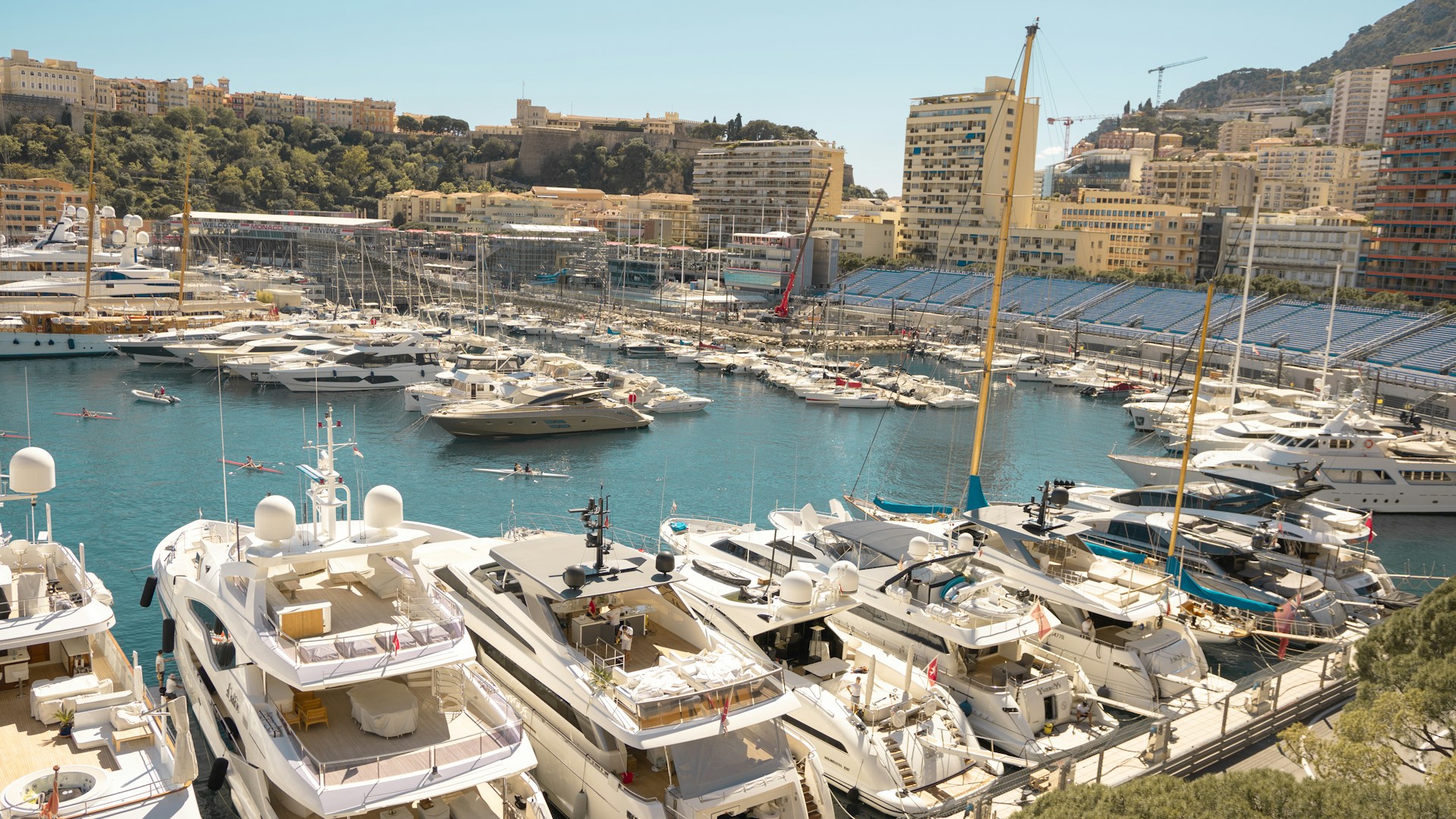
In a world of geopolitical volatility and fluctuating tax regimes, the Principality of Monaco stands as an exception. It is more than just a low-tax jurisdiction; it is a sovereign ecosystem designed for the preservation of wealth and the safety of its residents.
But moving here is no longer a simple paperwork exercise. The demand for residency is at an all-time high, and the barriers to entry – both financial and regulatory – are rising.
This guide acts as your master blueprint for 2026. We will break down the essential pillars of the move: the fiscal reality, the legal path to residency, the real estate investment case, and the practicalities of daily life.
Part 1: The Fiscal Reality (Why You Are Here)
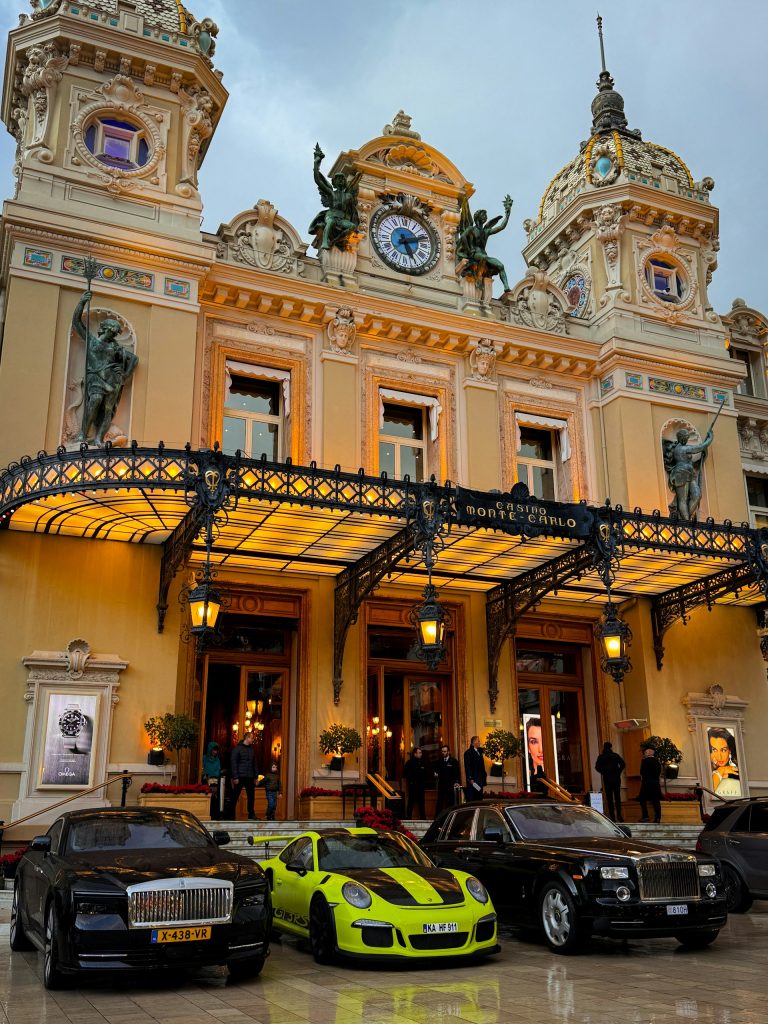
Let us address the primary driver first: Fiscal Sovereignty.
Monaco’s status as a “zero personal income tax” jurisdiction is well known, but for the sophisticated investor, the benefits go far deeper than a monthly paycheck. The Principality does not levy capital gains tax (for individuals), wealth tax, or property tax on residents.
In 2026, as the UK tightens its “Non-Dom” rules and other European nations increase wealth levies, Monaco’s stability becomes its greatest asset. It offers a predictable environment where generational wealth can compound without friction.
However, “Zero Tax” does not mean “Zero Rules.” Understanding how Monaco interacts with your home country’s tax laws is vital.
- Deep Dive: For a granular breakdown of the specific tax advantages and inheritance nuances, read our Monaco Tax Benefits Guide: What Residents Need to Know.
The Global Competition: Monaco vs. The Middle East
For many HNWIs, the decision often comes down to two finalists: Monaco or Dubai. Both offer safety and tax efficiency, but they offer radically different lifestyles and asset classes.
Dubai offers space, massive modern villas, and a lower cost of living. Monaco offers European culture, proximity to London/Paris/Milan, and a restricted real estate supply that protects asset value.
- The Comparison: We analyzed the pros and cons of both jurisdictions in our Monaco vs. Dubai: The Ultimate 2026 Comparison Guide.
Part 2: The Legal Path (Obtaining Residency)
You cannot simply buy a property and claim residency. The Direction de la Sûreté Publique enforces a strict three-step vetting process.
To obtain your Carte de Séjour (Residence Card), you must prove three things:
- Accommodation: You must own or rent a property appropriate for your family size.
- Financial Self-Sufficiency: You must prove you can live without working in Monaco (typically via a bank deposit of €500k+).
- Good Character: A clean criminal record is non-negotiable.
The “Accommodation” requirement is where many applicants fail. In the past, a single applicant could rent a small studio. Today, authorities are scrutinizing leases to ensure the property is genuinely “lived in.”
- The Checklist: For the exact document requirements and timeline for 2026, review the Official Conditions for Obtaining Residency in Monaco.
Part 3: The Investment Strategy (Real Estate)
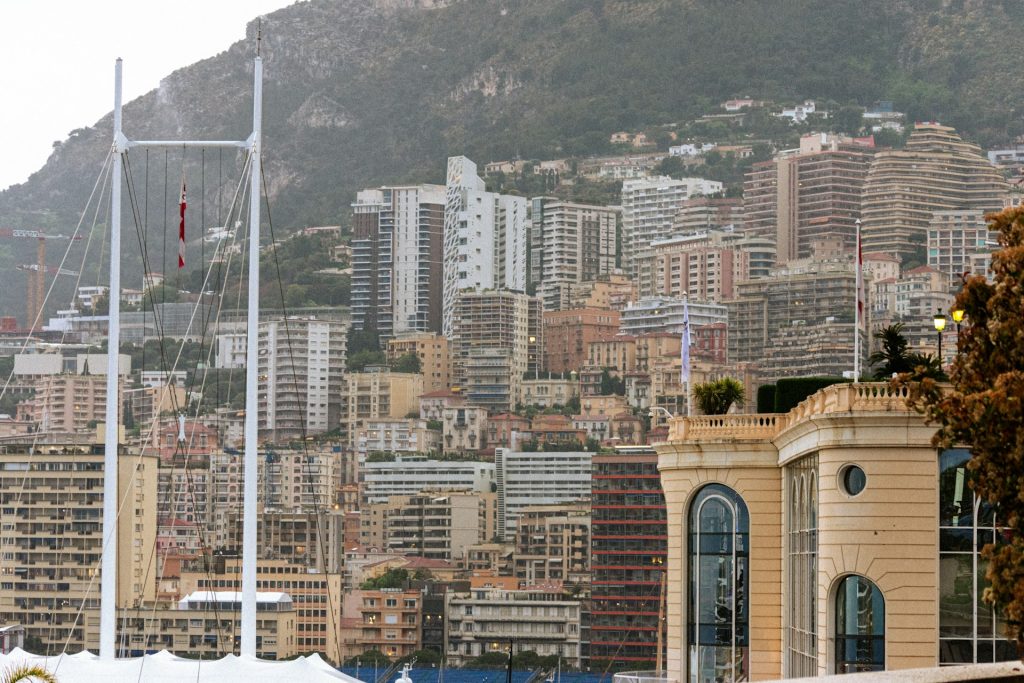
Monaco is the most expensive real estate market in the world, with average prices often exceeding €50,000 per square meter. Is it a bubble, or is it a store of value?
The “Buy vs. Rent” Dilemma
New residents face a critical choice: Should you rent first to test the waters, or buy immediately to secure the asset?
- Renting: Offers flexibility but comes with high “sunk costs” and standard 3-year leases.
- Buying: Secures your residency application (owners are viewed favorably) and eliminates rental inflation, but requires significant capital deployment (notary fees + property cost).
- The Analysis: We weigh the financial pros and cons in our guide: Buy vs. Rent in Monaco: Making the Right Choice.
Understanding Rental Yields
If you are buying purely for investment, you must adjust your expectations. Monaco is not a high-yield cash flow market like Manchester or Detroit. Gross rental yields typically sit between 1.5% and 2.5%.
The “Monaco Play” is not a monthly cash flow; it is Capital Preservation and Capital Appreciation. Historically, Monaco real estate has appreciated steadily, immune to the crashes seen in other markets during 2008 or 2020.
- The Data: For a detailed look at ROI by district (Monte Carlo vs. Fontvieille), read our Rental Yields in Monaco: The 2026 Investor Guide.
Part 4: The Lifestyle Logistics (Family & Travel)
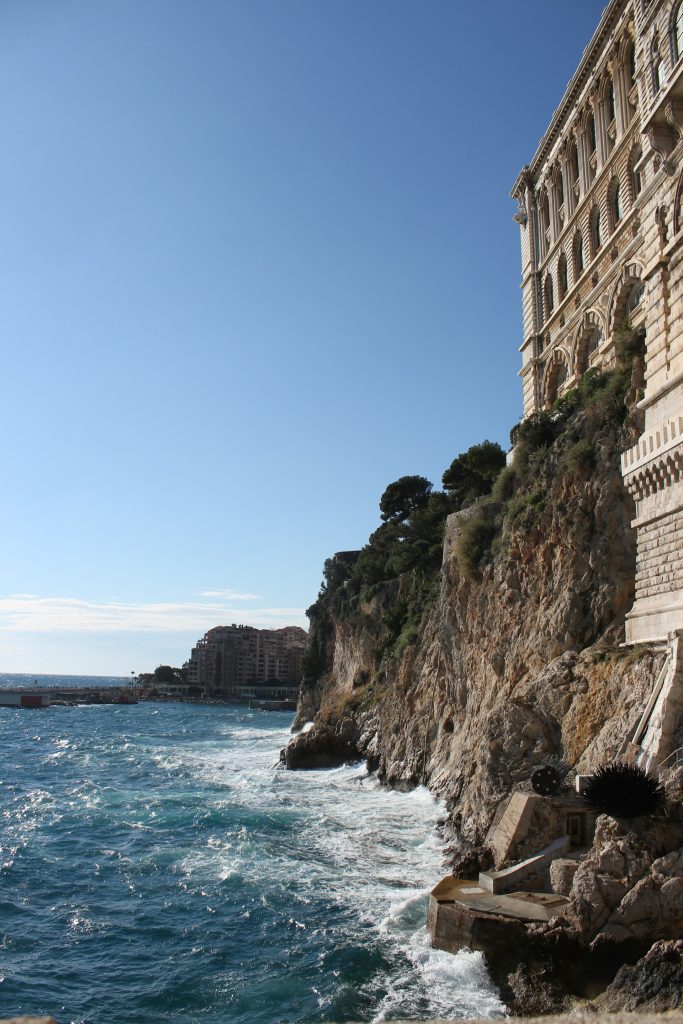
Once the tax and property are sorted, the practicalities of life take over. For families, this revolves around two hubs: The School and The Airport.
Education: The International School of Monaco (ISM)
For English-speaking families, the International School of Monaco (ISM) is the anchor of the community. Located on the Port Hercule, it offers the IB (International Baccalaureate) curriculum and boasts impressive university placement records.
However, waitlists are long. Admissions for the 2026 academic year are already competitive. Understanding the application process is as important as finding an apartment.
- The Schools: We review the curriculum and fees in our guide to the Best International Schools in Monaco.
Connectivity: The Private Aviation Corridor
Monaco does not have an airport. Residents rely on Nice Côte d’Azur (NCE), located 25km away.
For the private traveler, the journey is seamless. You land at the Nice General Aviation Terminal and transfer directly to a helicopter. The flight to the Monaco Heliport takes 7 minutes. It is arguably the most efficient “city commute” in the world.
Choosing the right operator—whether for a transatlantic heavy jet or a quick hop to London—is key to avoiding delays.
- The Logistics: Discover the top-rated operators and the helicopter transfer protocol in The Best Monaco Private Jet Charter Companies.
Part 5: Where to Live (The Monaco Neighborhood Guide)
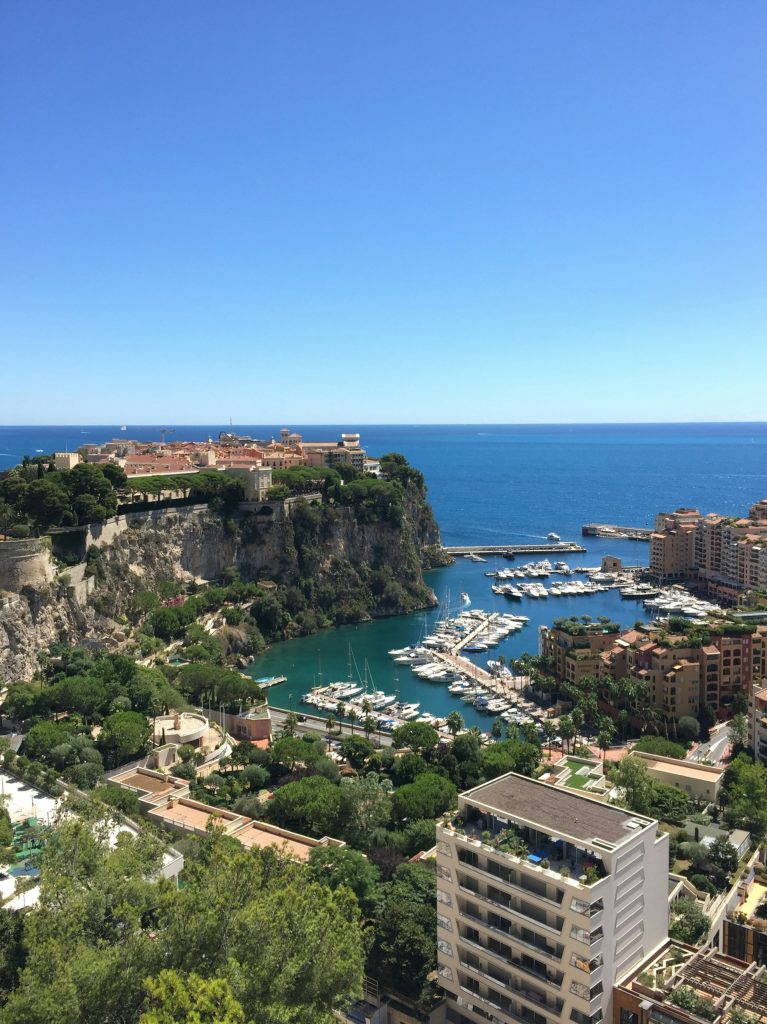
Monaco is just 2.02 square kilometers, yet it is divided into distinct districts, each with its own “micro-climate” of lifestyle, pricing, and demographics. Choosing the wrong district can lead to a miserable experience—living next to a noisy nightclub when you wanted quiet, or feeling isolated when you wanted action.
We have compiled detailed guides for every district, but here is the “Shortlist” for 2026:
1. Monte Carlo (The Epicenter) The Golden Square (Carré d’Or) is the most famous address in the world. It is home to the Casino, the Hôtel de Paris, and the luxury boutiques.
- Best For: Those who want to be in the center of the action and don’t mind tourists.
- Insider Guide: Monte Carlo Neighborhood Guide
2. Fontvieille (The Family Haven) Built on land reclaimed from the sea, this district is quieter, greener, and home to the Roseraie Princesse Grace. It has excellent infrastructure, including the Heliport and the commercial center.
- Best For: Families with young children and frequent flyers (proximity to Heliport).
- Insider Guide: Fontvieille Neighborhood Guide
3. La Condamine (The Port & The Grand Prix) This is the historic heart of Monaco surrounding Port Hercule. It is vibrant, filled with market stalls, and is the physical track of the Formula 1 Grand Prix.
- Best For: Yacht owners and car enthusiasts who want a “village” feel.
- Insider Guide: La Condamine Neighborhood Guide
4. Jardin Exotique (The Views) Perched high on the cliffs, this district offers the best panoramic views of the Mediterranean. With new developments like L’Exotique, it is rapidly becoming a premium residential zone.
- Best For: Residents seeking calm, views, and quick access to the A8 highway (toward Nice).
- Insider Guide: Jardin Exotique Neighborhood Guide
5. Larvotto (The Beachfront Resort) Home to Avenue Princesse Grace—often cited as the most expensive street in the world—this is Monaco’s “Miami.” It offers direct beach access, high-end nightlife (Jimmy’z, Sass Café), and resort-style living.
- Best For: Second-home buyers and sun-seekers who want “hotel-style” living 365 days a year.
- Insider Guide: Larvotto Neighborhood Guide
6. Moneghetti (The Insider’s Secret) Located above the hustle on the border with Beausoleil, Moneghetti offers authentic Belle Époque architecture and stunning harbor views at a lower price point. It feels like a real village, not a tourist trap.
- Best For: Residents who want character, quiet streets, and quick access to the Train Station (Gare de Monaco).
- Insider Guide: Moneghetti Neighborhood Guide
The Value of Intelligence
Moving to Monaco is a significant life event. It involves navigating French bureaucracy, Monegasque law, and high-stakes real estate negotiation.
Information is abundant, but intelligence – knowing which building has a noise problem, which bank accepts your profile, or which lawyer moves fastest—is rare.
At Monaco Property Mag, we operate on a Concierge Model. We do not just publish content; we connect you with the specific experts required to execute your move.
Do you have a specific requirement?
- Are you looking for off-market real estate?
- Do you need an introduction to a residency lawyer?
- Do you need to secure a school placement?
Click here to contact us. Tell us your objective, and we will open the right door for you.
Frequently Asked Questions
Is it possible to acquire residency in 2026 without buying property?
Yes. You can acquire residency by renting an apartment. However, the lease must be for a minimum of one year, and the apartment must be large enough for your family.
What is the minimum bank deposit for residency?
While there is no “official” statutory maximum, most Monaco banks require a minimum deposit of €500,000 to open the relationship and issue the “Bank Attestation” required for residency. Some private banks may require €1M+.
How long does the residency process take?
From the moment you submit your application to the interview, it typically takes 3 to 8 weeks. However, gathering the documents (especially the police clearance and lease) can take months of preparation.
Is healthcare in Monaco free?
Monaco has an excellent public healthcare system. Residents contribute to the social security system (CCSS). Many HNWIs also opt for private international health insurance to ensure global coverage.