
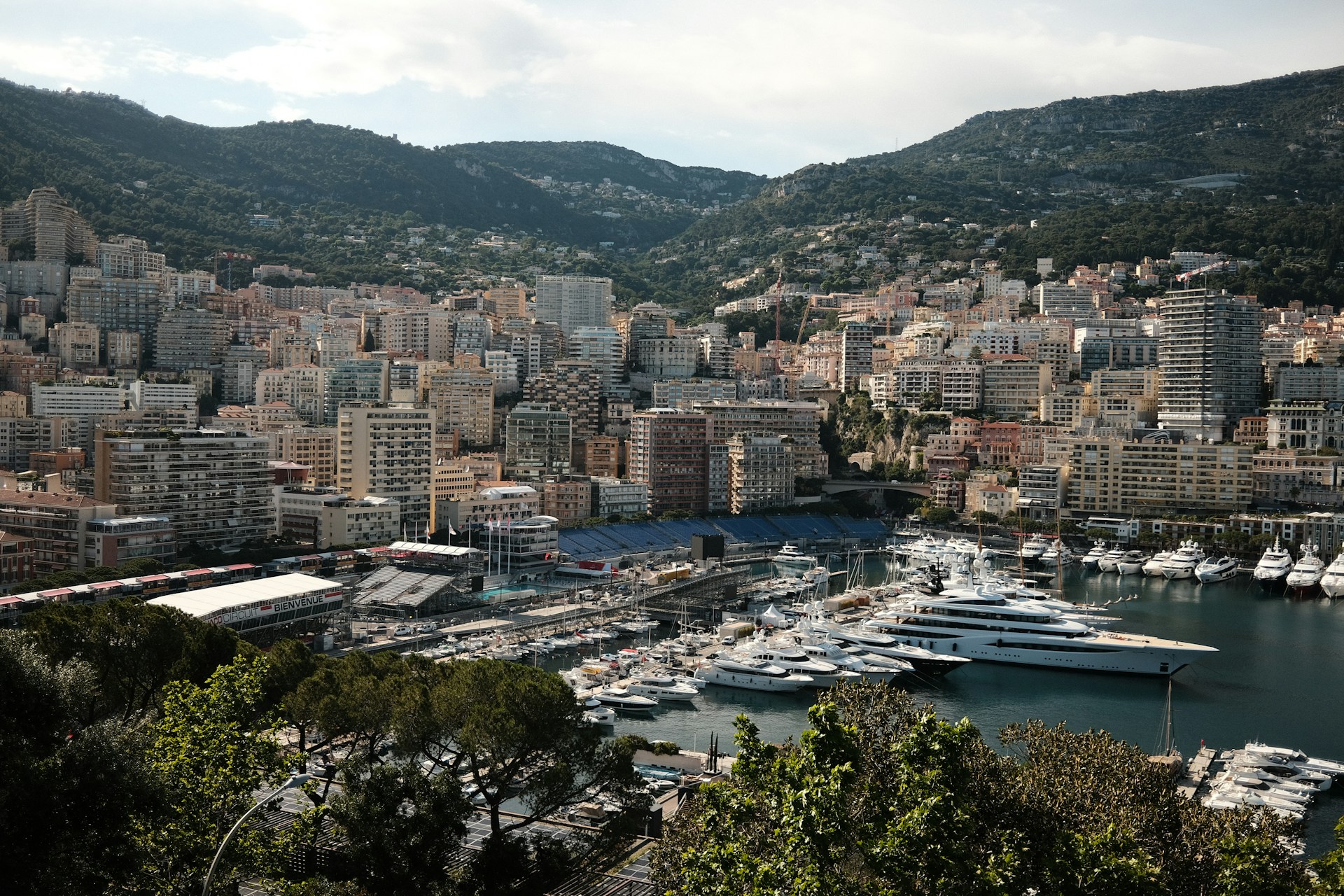
The Principality of Monaco is famous for many things. It is known for its Grand Prix, its superyachts, and its safety. But for the global investor, Monaco is defined by one specific attribute: its tax regime.
Owning real estate in Monaco is not just about having a view of the Mediterranean. It is a strategic financial decision. In a world where property taxes, wealth taxes, and capital gains taxes are rising across Europe and North America, Monaco remains a distinct exception.
This guide explains the specific tax benefits of owning property in Monaco. We will look at what you pay, what you do not pay, and how the system works for international buyers.
The Core Benefit: What You Do Not Pay
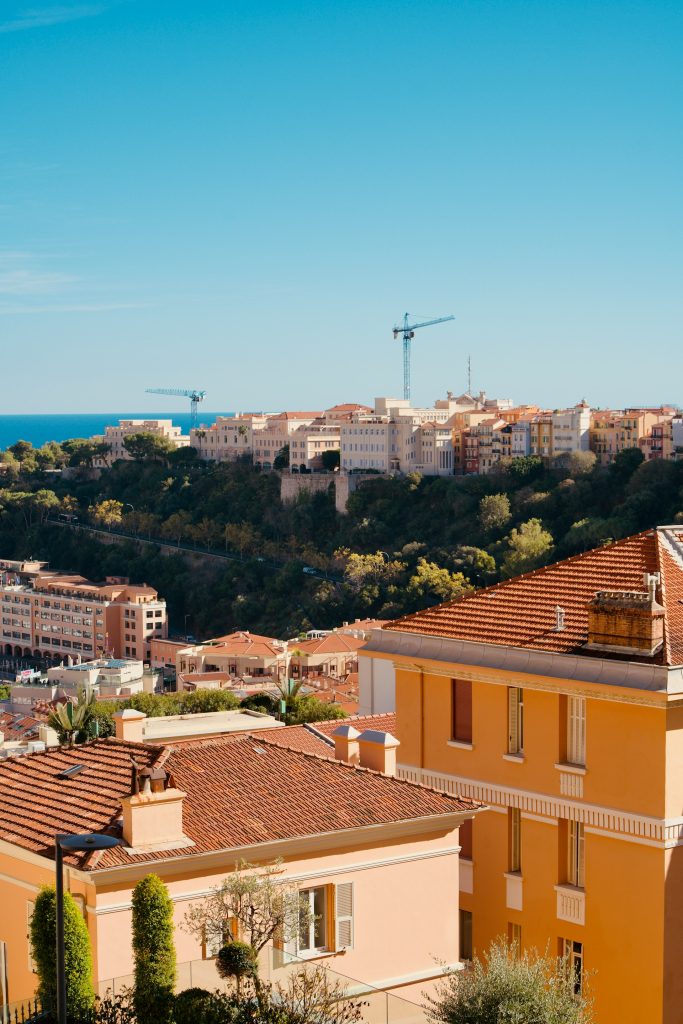
The appeal of Monaco lies in its simplicity. The government does not fund itself through direct taxation of individuals. Instead, it relies on VAT (Value Added Tax), corporate taxes, and legal transaction fees.
This philosophy creates a unique environment for property owners.
1. No Annual Property Taxes
If you own property in London, New York, or Paris, you are used to receiving an annual bill. In France, this is known as taxe foncière and taxe d’habitation. In the US, it is a property tax.
In Monaco, there is no annual property tax. Once you have purchased your apartment, there is no yearly levy based on its value. You can hold a €10 million penthouse for twenty years and never pay a single euro to the state for the privilege of owning it. This absence of “holding costs” dramatically improves the long-term ROI (Return on Investment) compared to other luxury markets.
2. No Capital Gains Tax
This is arguably the most significant advantage for investors. If you sell your Monaco property for a profit, the state does not tax that profit.
Example:
- You buy an apartment in Larvotto for €5 million in 2020.
- You sell it in 2026 for €7 million.
- Taxable Gain: €0.
You keep the full €2 million profit. In contrast, selling a secondary residence in France could trigger a capital gains tax of up to 36.2% (plus social charges), depending on your residency and holding period. In the UK, Capital Gains Tax on residential property is also a significant consideration for investors.
Note: This applies to individuals managing their private wealth. Professional property dealers who buy and sell as a business activity are subject to tax on their business profits.
3. No Wealth Tax
Monaco does not impose a wealth tax (Impôt sur la Fortune). The value of your real estate portfolio in the Principality is not taxed, regardless of how high it goes. This is a key differentiator from neighboring France, where real estate wealth tax (IFI) kicks in for net property assets over €1.3 million.
The Inheritance Advantage

Estate planning is often the primary driver for older investors moving to Monaco. The laws here are designed to protect family wealth and ensure it passes to the next generation without state erosion.
The tax rate depends on the relationship between the deceased and the heir.
Direct Heirs: 0% Tax
This is the “Gold Standard” of Monaco taxation.
- Who qualifies: Parents, children, and spouses.
- The Rule: If you leave your Monaco property to your children or your spouse, they pay 0% inheritance tax.
This applies regardless of the value of the estate. A €50 million villa passes to your children entirely tax-free.
Other Relationships
For heirs outside the immediate family, taxes do apply, but they remain competitive compared to global standards:
- Brothers and Sisters: 8%
- Uncles, Aunts, Nieces, Nephews: 10%
- Other Relatives: 13%
- Non-Relatives: 16%
The Costs You Will Pay
It is important to be transparent. Monaco is a low-tax jurisdiction, not a “no-cost” jurisdiction. The government collects its revenue at the point of transaction rather than possession.
1. Registration Duties (The “Purchase Tax”)
When you buy a property, you pay a registration duty. This is effectively the entry fee to the Monaco market.
- The Rate: 4.5% of the property value.
- Notary Fees: Approx. 1.5%.
- Total: You should budget roughly 6% of the purchase price for closing costs.
This is a one-time cost. Once paid, you are free from annual taxes as described above.
2. Rental Income Tax
If you decide to rent out your property, you must pay tax on that income. However, the rate is nominal.
- The Rate: 1% of the annual rent.
- Who pays: Technically, this is often passed on to the tenant in the lease agreement, but it is a tax liability associated with the property.
Compare this to rental income tax rates in the UK or France, which can reach 45% for high earners. The 1% rate in Monaco is negligible and makes buy-to-let investments highly efficient. For more on rental yields, read our Monaco Real Estate Forecast.
Nationality Nuances: The “Exceptions”
While the laws of Monaco are clear, your home country might have its own rules. It is vital to understand how your citizenship interacts with Monaco’s tax benefits.
The French Exception
This is the most famous caveat. Due to a treaty signed in 1963, French nationals living in Monaco are generally treated as if they still lived in France for tax purposes.
- Impact: French citizens cannot benefit from Monaco’s 0% income tax. They must pay French income tax on their worldwide income.
- Property: However, French citizens do benefit from Monaco’s inheritance laws for property located in Monaco.
The US Citizen Factor
The United States taxes on the basis of citizenship, not residency.
- Impact: Moving to Monaco does not exempt US citizens from IRS obligations. You must still file US taxes and pay tax on your worldwide income.
- The Benefit: While you still pay US income tax, owning property in Monaco provides asset diversification and privacy. There is no “double taxation” on the property itself since Monaco has no annual property tax to duplicate.
UK Residents (Non-Doms)
For British citizens, Monaco has long been a preferred destination. With the UK government tightening rules on “Non-Dom” status in 2025, the appeal of Monaco’s clear-cut system is growing.
- The Benefit: Becoming a tax resident in Monaco (which usually requires spending 183 days a year here) can completely sever your tax liability in the UK for non-UK income.
Buying Through a Company (SCI)

Many investors ask if they should buy property through a company, specifically a Société Civile Immobilière (SCI).
- Pros: It simplifies estate planning if you have multiple heirs. It also offers a layer of privacy regarding ownership structure.
- Cons: If the company is not registered in Monaco, or if the beneficial owners are not transparent, higher transaction taxes may apply.
- The “Look-Through” Rule: To avoid penalties or higher transfer taxes, you must declare the beneficial owner (the actual human owner) to the Monaco authorities. Transparency is key.
Is It Worth It?
When you calculate the total cost of ownership over a 10-year period, Monaco often emerges as cheaper than “low cost” locations with high taxes.
Let’s look at a simple comparison for a €5 million property held for 10 years:
| Cost | Monaco | France (Riviera) |
| Purchase Price | €5,000,000 | €5,000,000 |
| Transaction Fees | €300,000 (6%) | €375,000 (7.5%) |
| Annual Property Tax | €0 | €15,000+ (x10 years) |
| Wealth Tax (IFI) | €0 | €25,000+ (x10 years) |
| Capital Gains Tax (on sale) | €0 | Variable (up to 36%) |
| Total Tax Cost (10 Years) | €300,000 | €775,000+ |
Note: This is a simplified estimation for illustrative purposes. French taxes vary by location and specific owner situation.
The math is compelling. You pay more upfront for the square footage in Monaco, but the “friction” of owning the asset is almost zero.
A Haven of Stability
The tax benefits of owning property in Monaco are not accidental. They are the result of a deliberate government policy designed to attract wealth and ensure stability.
By removing the recurring costs of ownership—property tax, wealth tax, and capital gains tax—Monaco encourages long-term investment. It allows families to plan for the future with certainty. You know exactly what your costs will be in 2026, 2030, and beyond.
For the international investor, this predictability is the ultimate luxury.