

As 2025 draws to a close, the global real estate market faces a complex and often uncertain future. Interest rate hikes, inflation, and geopolitical shifts are creating headwinds across Europe and beyond. Yet, in the heart of the Côte d’Azur, the Principality of Monaco continues to defy conventional market logic.
For high-net-worth individuals (HNWIs) and astute investors, understanding the unique dynamics of Monaco’s property landscape in 2026 is crucial. This is not a market driven by affordability or widespread public demand. It is a market shaped by scarcity, privacy, political stability, and unparalleled luxury.
This comprehensive forecast delves into the five most significant trends we expect to see influencing Monaco’s real estate market in the coming year, offering vital insights for those looking to buy, sell, or invest in this exclusive enclave.
Trend 1: Continued Scarcity Driving Premium Growth
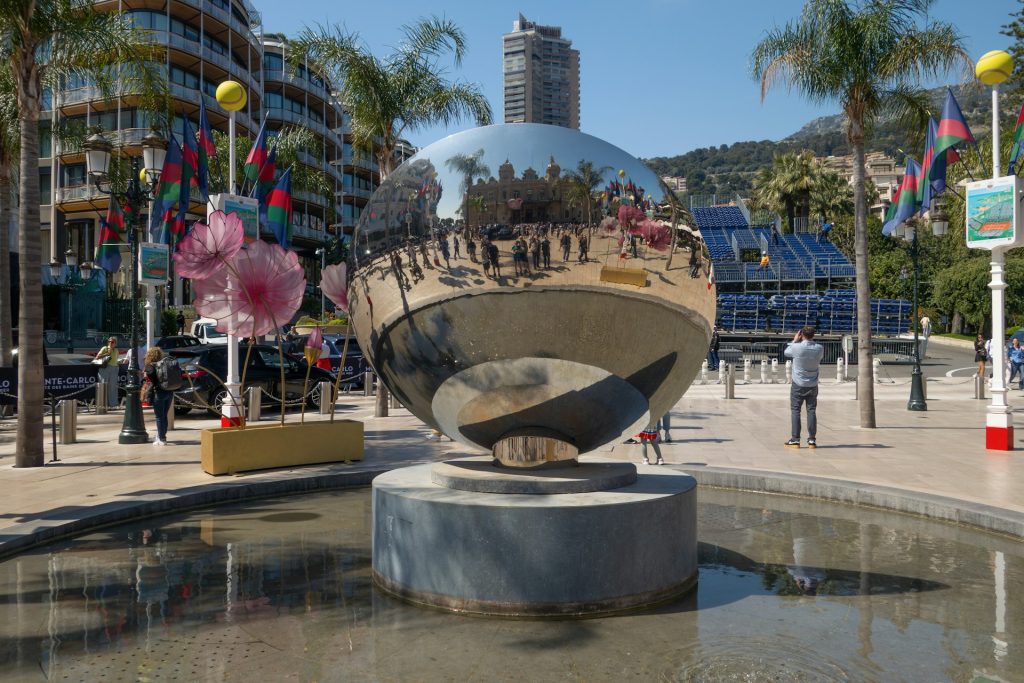
Monaco’s fundamental truth is its size. At just over 2 square kilometers, developable land is virtually non-existent. This physical constraint is the bedrock of its property value, and it will continue to be the primary driver of price growth in 2026.
Despite ambitious projects like Mareterra, new supply remains critically limited. Mareterra, Monaco’s ambitious land extension, will only deliver a finite number of ultra-luxury residences, many of which are already spoken for.
The vast majority of the market remains resale properties. This constant imbalance between high demand and finite supply ensures that Monaco’s real estate operates in its own microclimate, largely insulated from external pressures. Expect average property values to continue their upward trajectory, especially for prime assets in highly sought-after locations.
Trend 2: The “Flight to Quality” Intensifies Amid Global Uncertainty
In times of global economic volatility, capital tends to flow towards safe-haven assets. Monaco real estate is the epitome of a safe haven. Investors are not just buying property; they are buying political stability, personal security, and a robust legal framework.
We anticipate an intensification of this “flight to quality” in 2026. HNWIs from regions experiencing political unrest or economic instability will increasingly view Monaco as a secure repository for their wealth. This means that even if other European luxury markets cool, Monaco’s appeal as a bedrock of stability will only grow stronger.
The focus will be on prime properties: those with sea views, in prestigious buildings, or newly renovated to the highest standards. Secondary properties may see slower growth, but prime assets will remain intensely competitive.
Trend 3: Mareterra’s Deliveries and the Rise of “New Luxury”
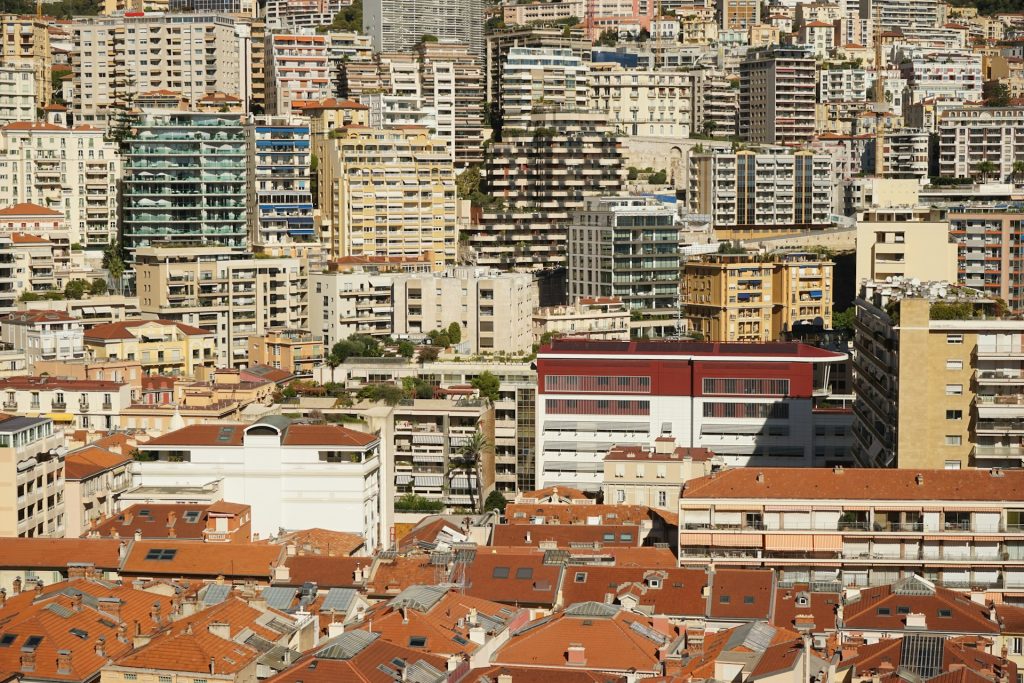
The highly anticipated Mareterra (Portier Cove) extension is nearing completion, with the first residential units expected to be delivered in late 2025 and throughout 2026. This is a game-changer. These properties represent the pinnacle of modern luxury, offering amenities, sustainability features, and designs never before seen in Monaco.
The impact will be twofold:
- New Benchmark Prices: Mareterra properties will set new records for price per square meter, pushing up the perceived value of other top-tier properties in districts like Larvotto and Monte Carlo.
- Increased Demand for “Old Luxury” Renovations: The arrival of Mareterra will highlight the contrast with older properties. We foresee a surge in demand for well-located older apartments that can be comprehensively renovated to meet contemporary luxury standards. Investors who acquire these now and invest in high-quality modernizations stand to see significant returns.
Trend 4: The Sustainability Premium Becomes a Decisive Factor
Environmental consciousness is no longer a niche concern; it is a mainstream luxury expectation. In 2026, the sustainability credentials of a property will move from a desirable extra to a decisive selling point in Monaco. Buyers are increasingly asking about energy efficiency ratings, smart home systems, and eco-friendly materials.
The Principality itself is a leader in environmental policy under H.S.H. Prince Albert II. This commitment permeates new developments and is influencing renovation trends. Properties with high energy performance certifications, integrated smart home technology for resource management, or access to electric vehicle charging will command a premium.
This trend is driven not just by ethics but by savvy investors recognizing future-proofing their assets.
Trend 5: Rental Market Strength Fuels Investor Confidence
While sales prices dominate headlines, Monaco’s rental market is a quiet powerhouse. Strong demand for high-end rentals, particularly from executives relocating for work or seeking temporary residency before purchasing, will continue in 2026. This robust rental yield offers a compelling proposition for investors.
The limited supply of quality rental properties, combined with continuous demand from the finance, yachting, and tourism sectors, ensures healthy rental returns. This makes Monaco property attractive not just for capital appreciation but also for consistent income generation.
Investors will increasingly look to properties in areas like Fontvieille and the quieter parts of La Condamine, which offer larger family apartments and competitive yields.
Is Monaco Safe from the 2026 EU Real Estate Downturn?
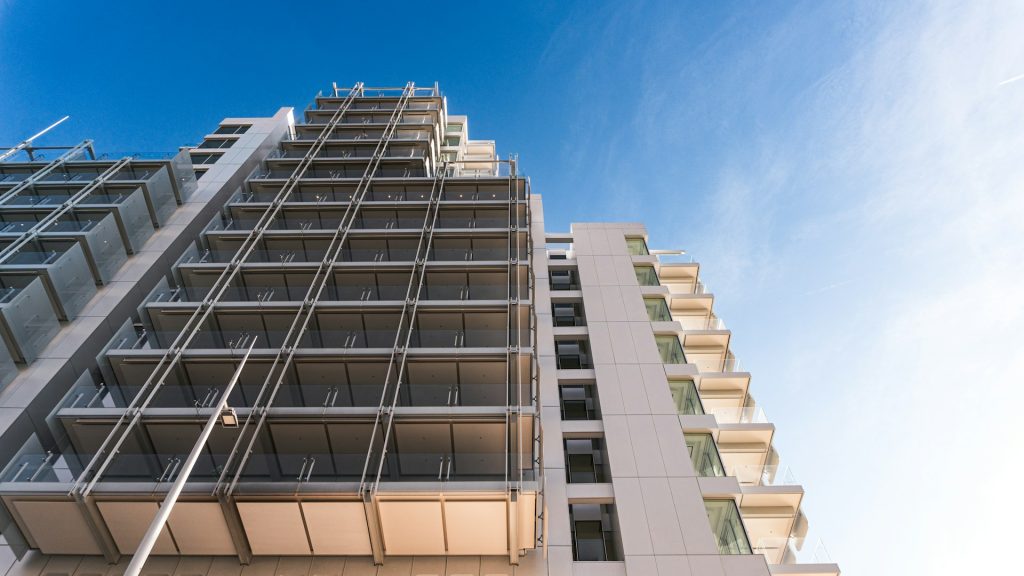
This is a specific and complex question that many international investors are asking. The short answer is: yes, largely, but with important nuances.
Across much of the European Union, the real estate market is indeed facing significant headwinds. Rising interest rates have made mortgages more expensive, reducing buyer affordability. Inflation is eating into disposable income, and some markets that saw unsustainable booms during the pandemic are now correcting.
Monaco, however, operates on a fundamentally different set of principles, which grant it a remarkable degree of insulation:
- Cash-Driven Market: Unlike most EU markets where transactions are heavily reliant on mortgages, a substantial percentage of property purchases in Monaco are made with cash. This insulates the market from interest rate fluctuations. When buyers aren’t borrowing, higher rates don’t deter them.
- Global, Not Local, Demand: Monaco’s buyer pool is international, drawing from a global network of ultra-high-net-worth individuals. This diverse demand means it’s not solely dependent on the economic health of any single country or region, including the EU. A slowdown in one area can be offset by a surge of wealth from another.
- Extreme Scarcity: As discussed, the lack of land and new supply is an immutable law of Monaco. This inherent scarcity creates a floor under prices that is largely impervious to external market pressures. You simply cannot build enough new apartments to flood the market, unlike in sprawling cities.
- Tax Neutrality & Residency: For many buyers, the property is an entry point to Monaco’s attractive tax residency status. The value proposition here is not just the real estate itself but the broader financial and lifestyle benefits. This makes it a “sticky” investment. Read more about the Cost of Living in Monte Carlo to understand the full financial picture.
- Political and Economic Stability: The Principality’s unwavering political stability and strong financial regulations make it a trusted haven. In turbulent times, wealth flows to certainty, and Monaco provides that certainty.
The Nuance: While Monaco is largely protected, it is not entirely immune to global sentiment. A severe global recession might temper transaction volumes or slow the rate of price appreciation. However, a significant downturn in prices, akin to what might be seen in less exclusive markets, is highly improbable given the structural foundations of the Monaco real estate market.
The market’s resilience lies in its unique blend of factors that prioritize wealth preservation and elite lifestyle over typical market fundamentals. Investors should therefore approach Monaco not as a speculative play, but as a long-term strategic asset.