
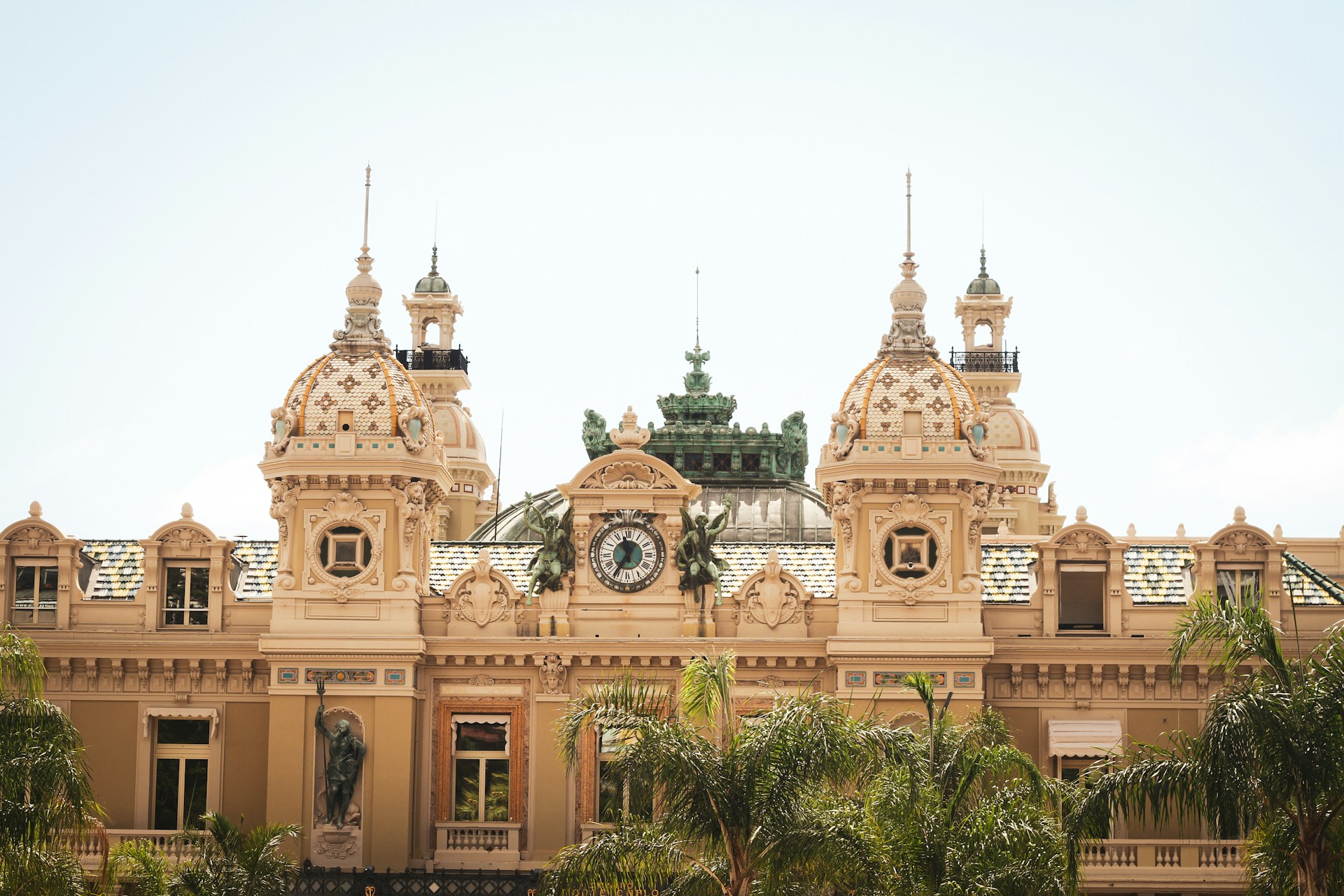
Monaco is one of the few global luxury markets with absolutely no restrictions on foreign ownership. You do not need to be a resident to buy an apartment. You do not need a European passport. If you have the capital, you can buy.
For Chinese investors, however, the challenge is not the law. It is the logistics.
Between China’s currency controls (the USD 50,000 annual cap) and Monaco’s strict banking compliance, the path to purchase requires careful planning. This guide clarifies the process for Chinese nationals looking to secure a foothold in the Principality.
Quick Facts: The Chinese Buyer in Monaco
| Regulation | Impact on Chinese Investors |
| Ownership Rights | 100% Freehold. No restrictions on Chinese nationality. |
| Currency Controls | Direct transfers from mainland China are often blocked. |
| Banking (KYC) | Monaco banks require proof of “Source of Wealth” (SOW). |
| Visa Requirement | Must apply for a long-stay visa via the French Consulate first. |
| Tax Reporting | Monaco participates in CRS (reports to Chinese tax authorities) |
Challenge 1: Moving Capital to Monaco
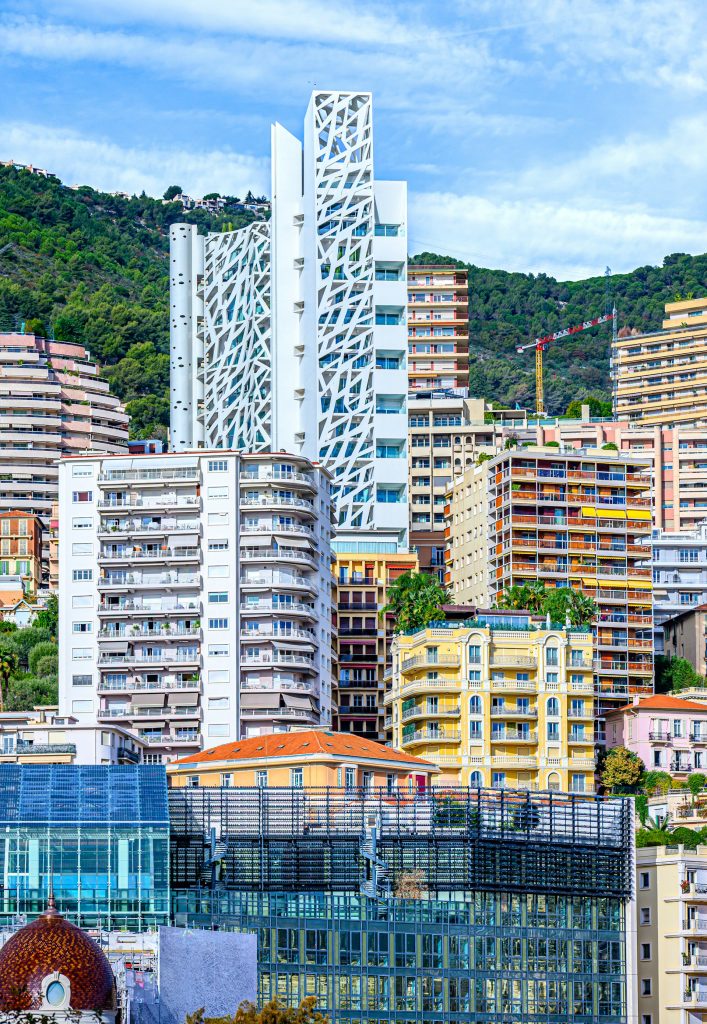
The biggest hurdle for Chinese buyers is not finding a property but paying for it. Monaco real estate is transacted in Euros (€).
The “Mainland Limit”
Chinese citizens are generally limited to exchanging the equivalent of USD 50,000 per year. Since the average studio in Monaco starts at €1.5 million, using personal quota transfers is impossible.
The Solution: Offshore Liquidity
To buy in Monaco, you typically need funds that are already outside mainland China.
- Hong Kong / Singapore: If you hold funds in HKD or USD in these hubs, the transfer to Monaco is straightforward.
- Corporate Dividends: Funds originating from a business (e.g., dividends paid to an overseas holding company) are accepted, provided the paper trail is clear.
- Warning: Do not use “underground banks” or informal currency swaps. Monaco notaries and banks will reject any funds that cannot be fully traced back to a legitimate origin.
Challenge 2: Banking Compliance & “Source of Wealth”

You cannot buy property in Monaco without a Monegasque bank account. The notary will require the funds to come from a local bank to issue the Attestation de Vente.
Opening this account is the most difficult step. Monaco banks (such as CMB, Barclays, or BNP Paribas) are extremely conservative.
What they will ask you for:
- Proof of Identity: Passport and Hukou.
- Source of Funds: Where did the specific money for this purchase come from? (e.g., Sale of a property in Shanghai, IPO proceeds).
- Source of Wealth: How did you generate your total net worth over your lifetime?
- Tax Compliance: Confirmation that the funds are tax-compliant in China.
Note: If your wealth is tied to complex corporate structures or “VIE” (Variable Interest Entity) structures, expect the compliance check to take 2 to 4 months.
Challenge 3: CRS and Privacy
Monaco is a tax haven, but it is not a secret haven.
Monaco is a signatory to the Common Reporting Standard (CRS). This means Monaco banks automatically share account data with the tax authorities of your country of tax residence.
- If you live in Monaco: They report to Monaco (0% tax).
- If you live in China: They report your Monaco account balance and income to the State Taxation Administration (STA) in Beijing.
Buying property here does not automatically change your tax residency. To become a tax resident of Monaco, you must physically live here for more than 183 days a year.
The Visa Process: The “French” Step
If you plan to live in your new property, you need a residency card (Carte de Résident).
For Chinese citizens, there is an extra step that EU citizens do not have.
- Step 1: Apply for a Type D Long-Stay Visa for “Monaco” at the French Consulate in China (Beijing, Shanghai, Guangzhou, etc.).
- Step 2: Once the visa is approved, travel to Monaco.
- Step 3: Apply for the Monaco residency card at the Sûreté Publique (Police Office).
Crucial Tip: You cannot enter Monaco on a tourist visa and then apply for residency. You must apply for the Type D visa from China.
Why Chinese Families Choose Monaco

Moving capital to Monaco is one thing; moving your life here is another. For investors unfamiliar with the day-to-day reality of the Principality, understanding the lay of the land is as important as the financial compliance.
Safety and Security
Monaco is frequently cited as one of the safest states in the world, a major draw for high-profile families. With one police officer for every 100 residents and 24-hour video surveillance, street crime is virtually non-existent.
- Read the full report: How safe is Monaco, really?
Choosing the Right Neighborhood
Despite its small size (2.02 km²), Monaco is divided into distinct districts, each with a unique character.
- Monte Carlo: The famous center, home to the Casino and the most prestigious boutiques. Perfect for those who want to be in the thick of the action. (See the Monte Carlo Neighborhood Guide).
- Larvotto: The beach district, offering resort-style living that is popular with families and summer residents. (See the Larvotto Neighborhood Guide).
- Fontvieille: A quieter, reclaimed land district with a village feel, popular for its marina and larger apartment sizes. (See the Fontvieille Neighborhood Guide).
Cost of Living
While tax savings are significant, daily expenses in Monaco are among the highest in Europe. From private school fees to dining, it is essential to budget beyond the property purchase price.
- Get the breakdown: Cost of Living in Monte Carlo: The 2025 Complete Guide