
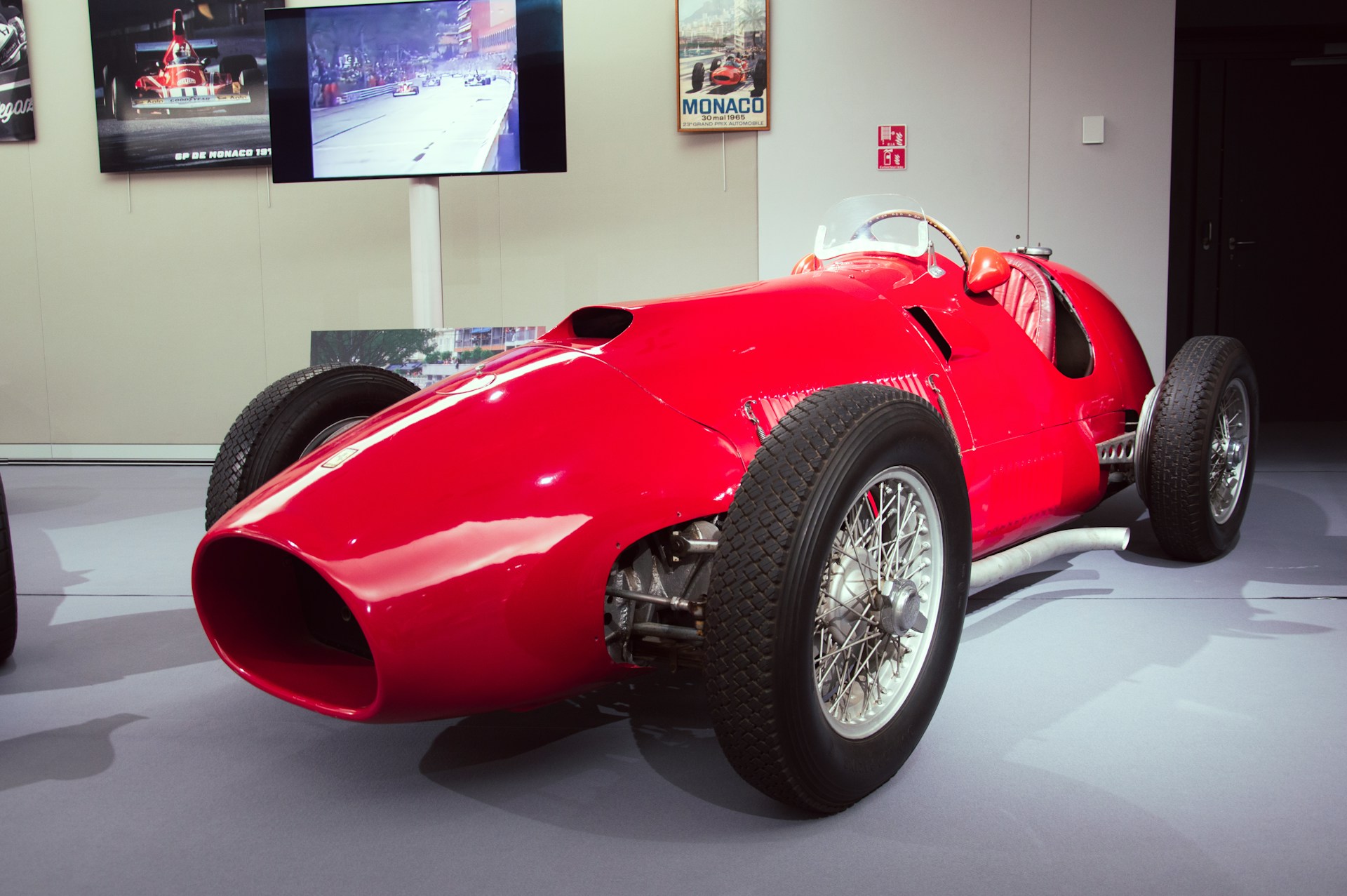
The modern Formula 1 Grand Prix is a global spectacle of corporate hospitality. It is loud, crowded, and incredibly expensive.
The Monaco Historic Grand Prix is different. It is elegant. It is accessible. It is for those who love the machine as much as the party.
For residents and returning visitors, this is often the preferred weekend of the year. You can walk through the paddock. You can speak to the drivers. You can see the mechanics working on a 1930s Bugatti or a 1970s Ferrari without a glass wall separating you.
Here is your guide to the 2026 edition.
In Short: The 15th Grand Prix de Monaco Historique will take place from Friday, April 24 to Sunday, April 26, 2026. This biennial event is widely considered the “Connoisseur’s Race.” It offers better access and a more relaxed atmosphere than the modern Formula 1 event in May. For 2026, the organizers have confirmed the return of the Turbo Era (1981–1985) cars. This brings the roar of 1,000-horsepower engines back to the Port.
What is the Monaco Historic Grand Prix 2026?
It began as a royal birthday party. In 1997, the Principality celebrated the 700th anniversary of the Grimaldi dynasty (1297–1997). The Automobile Club de Monaco (ACM) organized a vintage race as a one-off tribute to the family’s long history with motorsport.
The event was intended to happen only once. However, the reception from drivers, collectors, and the public was so overwhelming that the ACM decided to make it a permanent fixture. Since 2000, it has been held as a biennial event (every two years), taking place two weeks before the modern Formula 1 Grand Prix.
Today, it is a serious competition. The grid features the actual chassis driven by legends like Fangio, Graham Hill, and Jackie Stewart. For the 2026 edition, the history extends further than ever before, welcoming the “Turbo Era” cars of the early 1980s – machines that were once banned for being too dangerous, now returning to the streets that made them famous.
The 2026 Schedule & Dates
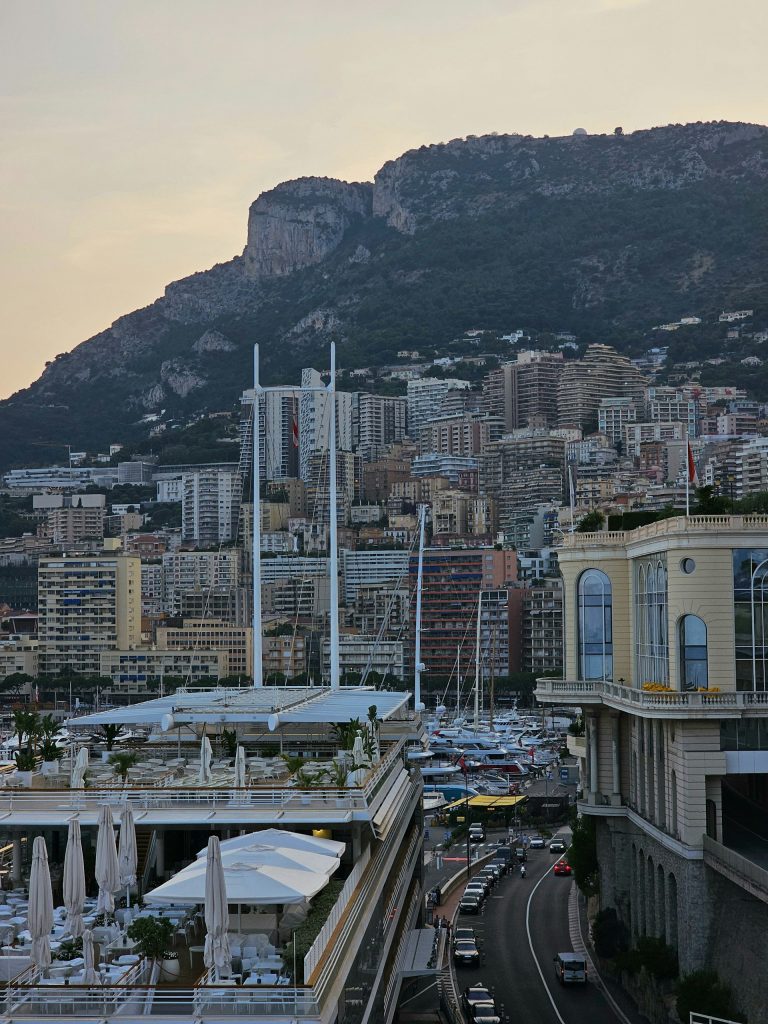
Note the dates carefully. The event is slightly earlier than in previous years.
- Friday, April 24: Free Practice sessions (All categories). The best day to walk the Paddock.
- Saturday, April 25: Qualifying sessions. The cars are pushed to their limit.
- Sunday, April 26: Race Day. Back-to-back races from morning until late afternoon.
The Categories: From Pre-War to Turbo
The Automobile Club de Monaco (ACM) organizes the races by era. The 2026 grid is split into distinct categories.
- Race A: Pre-war “Voiturettes” and Grand Prix cars (The Bugatti and Alfa Romeo era).
- Race B: Formula 1 and F2 cars from 1956 to 1961 (Rear-engine revolution).
- Race D: F1 cars from 1966 to 1972 (The Jackie Stewart era).
- Race G (The Headliner): Formula 1 cars from 1981 to 1985. This is the “Turbo” class. These cars are violent, loud, and spectacular to watch on the narrow streets.
Why You Should Choose the Historic Over the Main GP
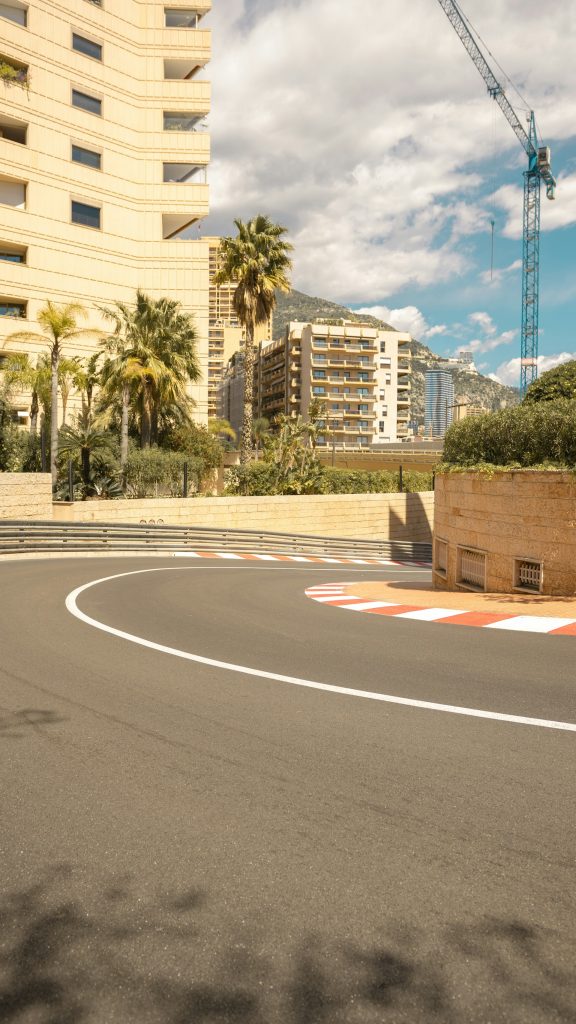
If you are deciding between the two events, consider these three factors.
1. Real Access
At the main Grand Prix, the Paddock is a fortress. Passes cost over €10,000 and are hard to find. At the Historic Grand Prix, a Paddock pass is affordable and allows you to stand inches from the cars. You can smell the castor oil and hear the engines warm up.
2. The Terraces are a Better Value
A prime terrace in La Condamine for the main F1 race can cost €3,000 to €5,000 per person. For the Historic Grand Prix, you can secure the exact same view with the same catering for 25% to 35% of the price.
3. The Atmosphere is more Refined
The crowd is different. It is less about influencers and more about collectors. The dress code is often “Vintage Chic.” People wear tweed jackets and driving caps. The vibe is sophisticated rather than chaotic.
Where to Watch
Just like the main race, the best views are in La Condamine.
- The Start/Finish Line: Best for watching the pre-war cars drift through the first corner.
- The Paddock (Rascasse): Best for getting close to the action.
- Casino Square: Iconic, but often restricted to Hotel de Paris guests.
Experience the Race in Style
Secure a Private Terrace for the Historic Weekend
While tickets are easier to get than the main F1, the best private terraces still sell out to returning enthusiasts.
Do not settle for a crowded grandstand. We have access to:
- Private Apartments: Overlooking the Start/Finish line.
- Shared Hospitality: Including champagne lunch and Paddock transfers.
- Paddock Tours: Guided access to the garage area.
Read Next
- The Main Event: Monaco Grand Prix 2026: Why You Must Book Your Terrace by February
- The Neighborhood: La Condamine Guide (The Heart of the Race)
- Visitor Tips: Monte Carlo Neighborhood Guide
Frequently Asked Questions
Is there a dress code for the Historic Grand Prix?
While there is no strict rule for grandstands, “Smart Casual” is expected in hospitality areas. Many attendees choose to dress in period style (1950s or 1960s fashion) to match the theme of the event.
Can children attend?
Yes. The Historic Grand Prix is much more family-friendly than the main F1. The crowds are thinner and the atmosphere is more relaxed. However, ear protection is still mandatory for children as the cars are extremely loud.
Do I need a ticket for the Paddock?
Yes. Unlike some minor races, the Paddock requires a specific pass. It can be purchased as an add-on to your grandstand ticket. We highly recommend buying this to see the mechanics at work.
Are the cars real or replicas?
They are real. These are the actual chassis driven by legends like Fangio, Hill, and Senna. Owners risk millions of euros on every lap. This adds to the excitement of the race.